 blog
Are Private Driving Lessons Worth It for Adults?
Last Updated: October 30, 2026
Quick Summary
Private driving lessons are worth it for many adults who want one-to-one instruction at their own pace, especially those who feel anxious in groups, work around shift patterns or childcare, or want to focus on specific gaps like parking or motorway driving. They cost more per hour, so the value depends on whether the extra attention reduces the total number of lessons you need.
- Adults often choose private lessons for one-to-one attention and a pace that suits them.
- Compare total cost to reach your goal, not headline hourly rates.
- Convert quotes to cost per minute, since 45 and 60-minute lessons are not directly comparable.
- Ask for a single trial lesson before committing to a package.
- Returning drivers should build up gradually from quiet streets to busier roads.
Table of Contents
- Why Adults Choose Private Driving Lessons
- Driving Lessons for Mature Age Learners: What Changes After Years Away
- Refresher Driving Lessons for Adults Who Have Not Driven in Years
- Choosing an Instructor Who Suits an Adult Learner
- How Many Driving Lessons Do I Need?
- Driving Lesson Costs and What to Compare
- Booking Your First Private Lesson
- Frequently Asked Questions
Why Adults Choose Private Driving Lessons
Private driving lessons suit many adults who want one-to-one instruction at their own pace. This guide explains what private lessons involve and whether they are worth the investment for adults.
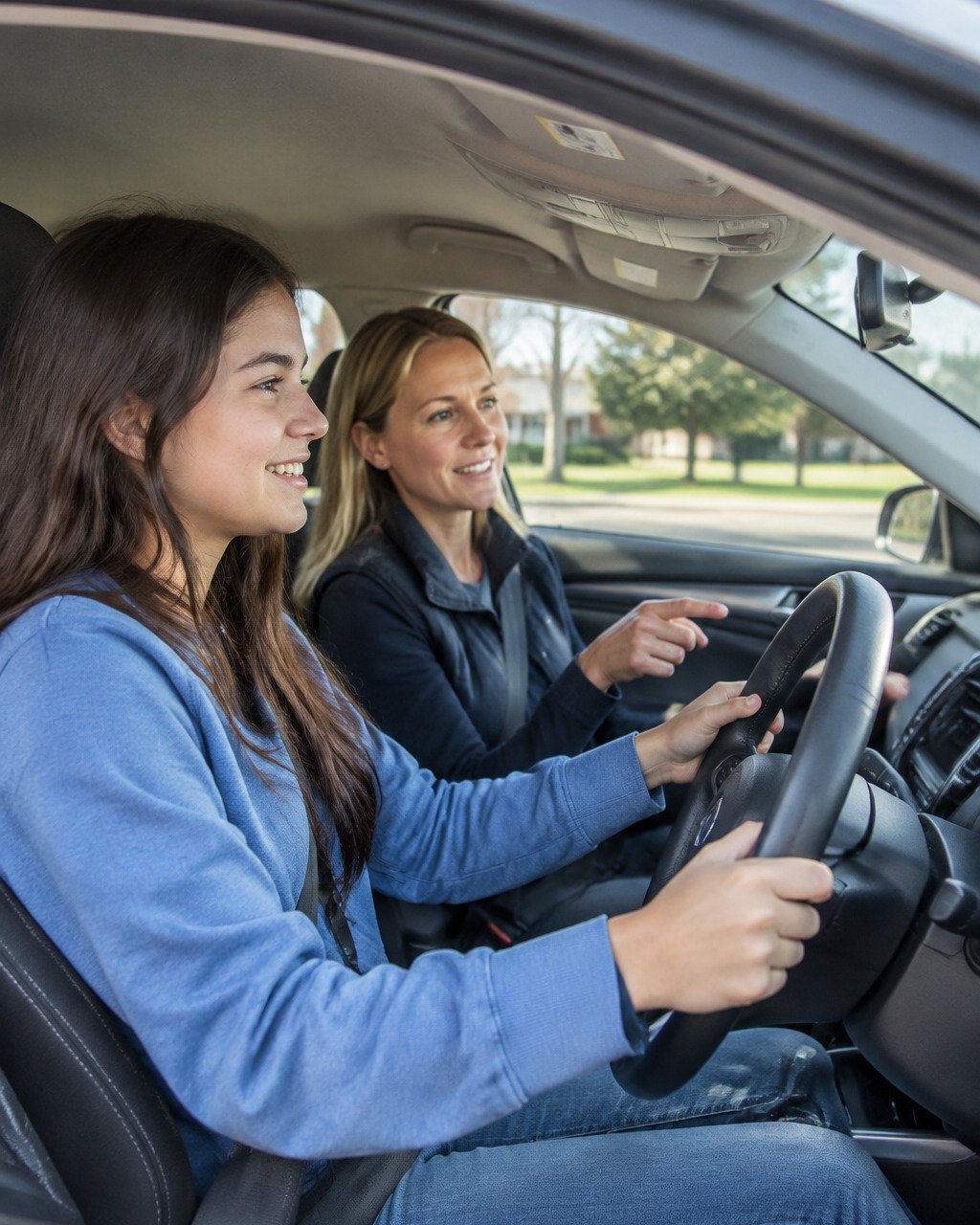
Many adults come to private lessons after years of avoiding the road. Some never learned as teenagers, others moved to a new area where driving is essential, and some stopped after a stressful experience.
The main reasons adults give for choosing private lessons tend to fall into a few groups:
- They feel anxious in group settings or with a rushed instructor
- They work around shift patterns, childcare, or other commitments
- They want to learn at a pace that fits their existing skills
- They prefer to focus on specific gaps, such as parking or motorway driving
Private lessons are not automatically the right choice for everyone.
Driving Lessons for Mature Age Learners: What Changes After Years Away
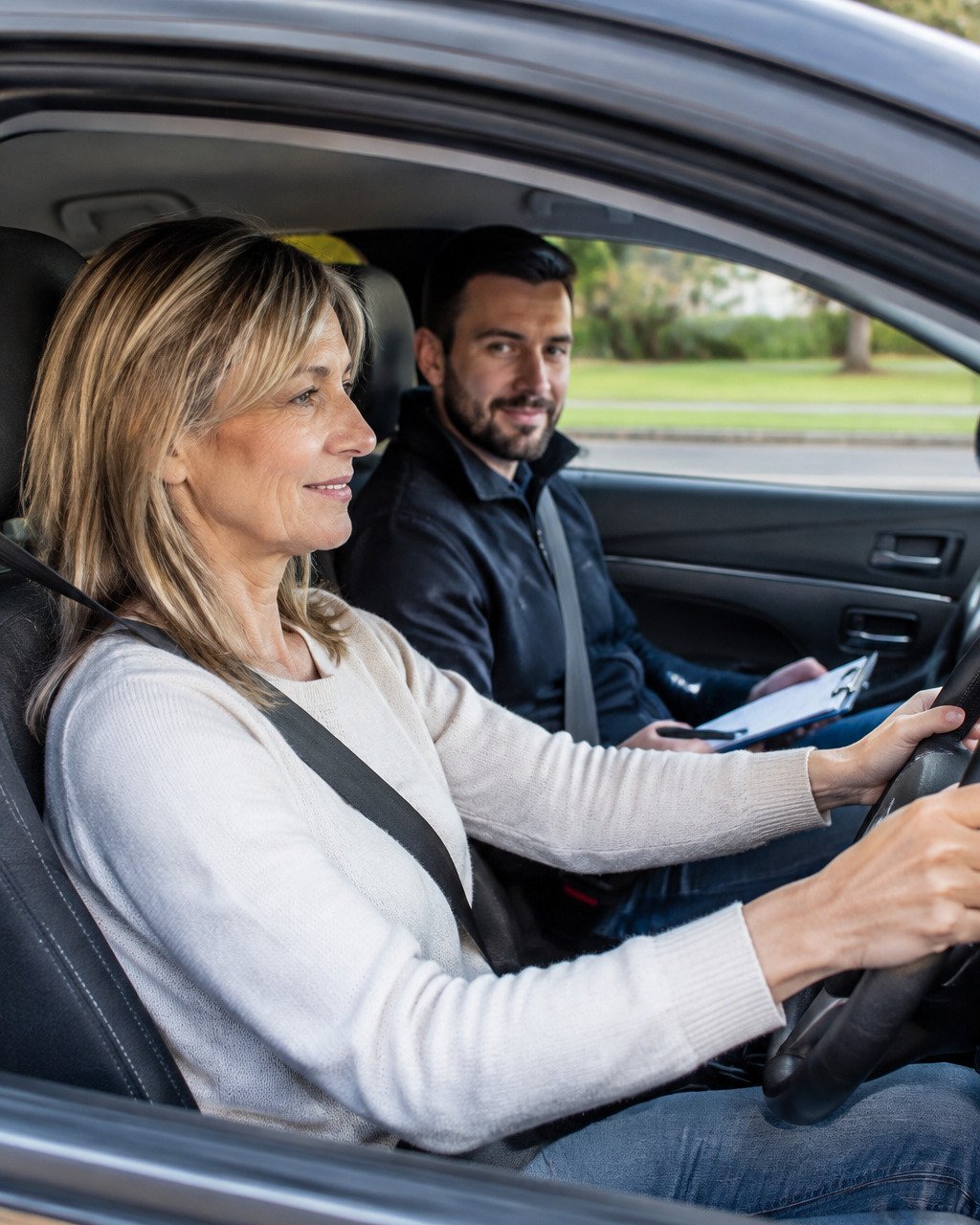
Driving lessons for mature age learners often look different from lessons for teenagers. Adults usually bring life experience, road awareness from being a passenger, and sometimes strong habits from other activities. They may also carry older assumptions about how roads and vehicles work.
Common changes after a long gap include:
- Unfamiliarity with current road rules and signage
- Reduced confidence at junctions and roundabouts
- Difficulty judging speed and distance in traffic
- Stress that affects concentration during the first few lessons
A good instructor will check what you already remember before teaching new skills. This avoids wasting time on material you know and highlights the areas that need work.
Refresher Driving Lessons for Adults Who Have Not Driven in Years
Refresher lessons help adults who once held a licence but have not driven for a long time.
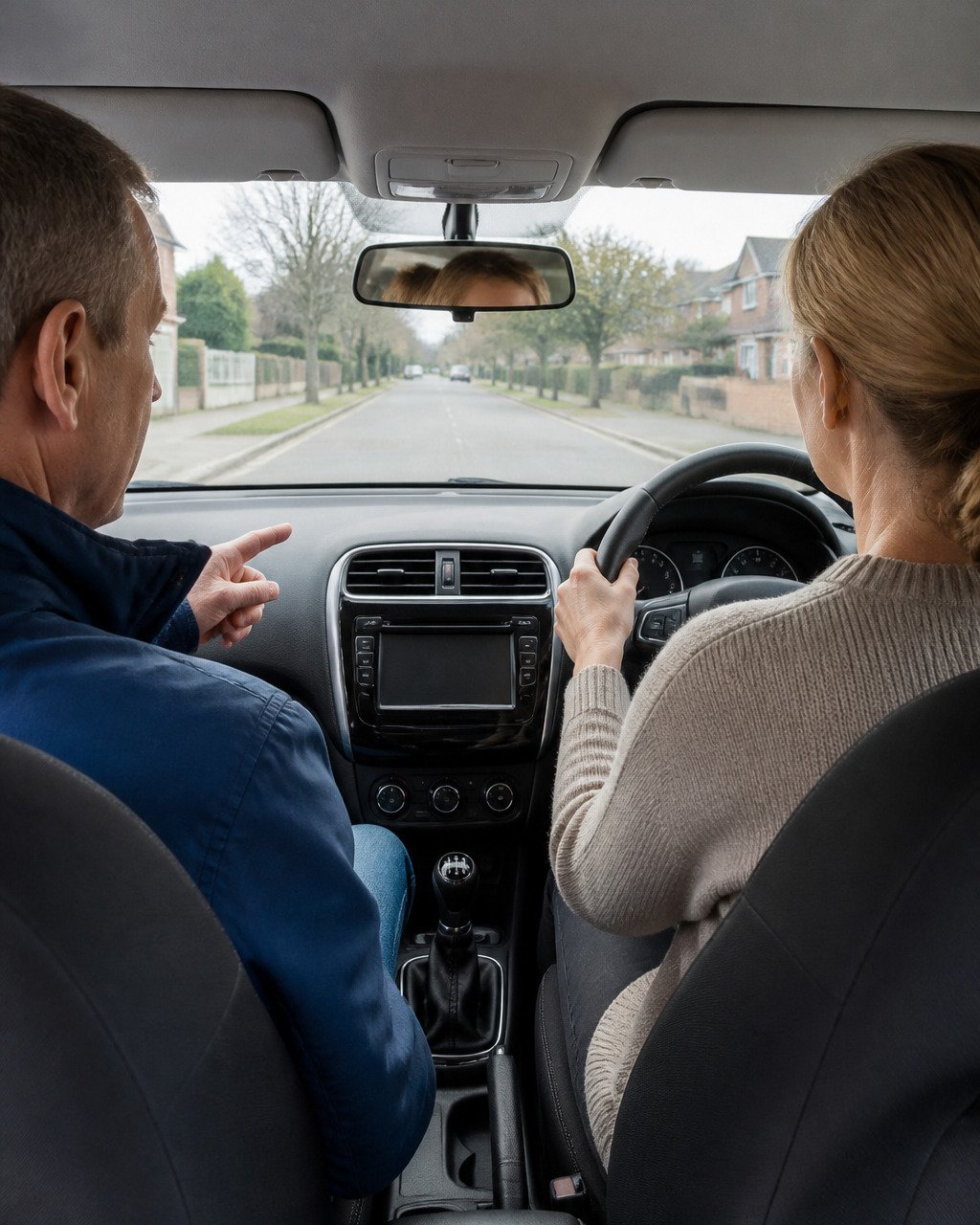
A typical refresher approach starts in quiet residential streets. From there, the instructor adds busier roads, roundabouts, and higher speeds as your confidence grows.
Watch out: rushing back onto busy roads before you feel settled is one of the most common ways a refresher goes wrong. Build up gradually.
Choosing an Instructor Who Suits an Adult Learner
The instructor matters as much as the lesson format. An adult learner, especially one who feels nervous, benefits from an instructor who explains clearly, avoids pressure, and adjusts the pace. The more useful question is how to judge fit before you commit, because a mismatched teaching style is the most common reason adults abandon lessons after one or two sessions.
What to check before you book
- Credentials and scope. Ask which authority accredits the instructor and whether their accreditation is current.
- Experience with adults, not just teenagers. Ask how many adult and mature-age learners the instructor teaches in a typical month.
- Experience with nervous and returning drivers. Ask directly: "How do you structure a first lesson for someone who is anxious or hasn't driven in years?" A strong answer describes a quiet-street start, an assessment of what the learner already knows, and a plan to build up gradually, not a fixed syllabus.
- Teaching style. Some instructors teach by instruction ("do this, then this"); others teach by guided discovery ("what do you think you should do here?"). Neither is wrong, but adults who feel patronised by a directive style often do better with the guided approach, and vice versa.
- Communication and correction. Ask how they handle mistakes. A good instructor corrects without shame, explains the reason behind the correction, and lets you try again rather than taking the wheel.
- Vehicle and transmission. Confirm whether the car is automatic or manual and whether it suits your plans.
- Scheduling fit. Adults balancing work, shift patterns, or childcare need evening and weekend slots and a clear cancellation policy. Ask how far ahead weekend lessons book out.
Questions worth asking on the phone
A short call before booking tells you more than a website. Useful questions include:
- "What happens in the first lesson, and how do you decide where to start?"
- "How do you handle a learner who freezes at a roundabout or junction?"
- "Do you offer pick-up from home, work, or a train station?"
- "What is your cancellation and rescheduling policy, and how much notice do you need?"
- "Do you help with test preparation, and which test centre do you usually use?"
A clear, specific answer is a good sign. Vague answers, pressure to book a large block upfront, or reluctance to discuss cancellation terms are warning signs.
Fit matters more than price
A cheaper instructor who makes you dread each lesson will cost more in the long run than a slightly dearer one you click with. If a lesson leaves you feeling criticised rather than coached, change instructors early rather than pushing through, the skills will come faster with someone whose style suits how you learn.
How Many Driving Lessons Do I Need?
There is no single answer, because the number of lessons depends on your starting point. Someone who drove regularly before a break may need far fewer lessons than someone learning from scratch as an adult.
Factors that affect the total include:
- How long it has been since you last drove
- How often you can book lessons each week
- How quickly your confidence builds
- Whether you plan to sit the test soon or simply want to drive more safely
Practical lessons spaced across several weeks often work better than a large block over a few days. Regular practice helps skills stick between sessions.
Driving Lesson Costs and What to Compare
Lesson costs vary by provider, lesson length, and package structure. Please check our website for current prices or request a quote before booking.
Headline hourly rates are the least useful number on a driving school's website. What matters is the total cost to reach your goal, and that depends on lesson length, package terms, and how many lessons you actually need.
The numbers that actually matter
- Lesson length. A 45-minute lesson and a 60-minute lesson are not directly comparable. Convert every quote to a cost per minute before comparing, because a cheap 45-minute lesson can cost more per hour than a mid-priced 60-minute one.
- Single-lesson rate versus package rate. Packages usually discount the per-lesson rate but lock you in. Check whether the package is refundable, transferable, and whether it expires.
- First-lesson offers. Many schools advertise a discounted or free first lesson. Read the conditions: the offer may apply only to a specific lesson length, may require a package purchase, or may not be available for adult or refresher learners.
- Pick-up and drop-off. Some providers include pick-up from home, work, or a station; others charge for it or require you to meet at a set location. This can add a meaningful amount over a course of lessons.
- Cancellation and rescheduling terms. A late-cancellation fee is common, but the notice period and the fee vary. If you have a job with unpredictable hours, a rigid policy can cost you money.
- Test preparation and car hire for the test. Ask whether the instructor's car can be used for the driving test, what that costs, and whether a pre-test warm-up lesson is included or extra.
- Additional costs. Consider the cost of the learner licence, any logbook or competency requirements in your state or territory, and the test fee itself. These sit outside lesson pricing but are part of the total.
How to build a like-for-like comparison
A simple method is to estimate the total cost for a realistic number of lessons rather than comparing hourly rates in isolation:
- Decide your goal, refresher confidence, test preparation, or learning from scratch.
- Ask each provider for the number of lessons a learner at your starting point typically needs. Treat this as an estimate, not a promise.
- Multiply that estimate by the per-lesson rate for the lesson length you would actually book.
- Add pick-up fees, test-car hire, and any pre-test lesson.
- Compare the totals, not the headline rates.
A lower hourly rate can cost more overall if it takes more lessons to reach your goal, or if add-ons push the total up. Compare the expected total cost, not just the price per lesson.
What to ask for a written quote
Ask each provider to confirm in writing: the per-lesson rate for the lesson length you want, whether pick-up is included, the cancellation notice period and fee, whether the package expires or is refundable, and the cost of using the instructor's car for the test. With those five answers you can compare providers fairly, even when their headline prices differ.
The table below compares the cost factors the article says matter most when weighing up private driving lesson providers.
| Cost factor | What to check | Why it matters |
|---|---|---|
| Lesson length | Convert quotes to cost per minute | 45 and 60-minute lessons are not directly comparable |
| Package terms | Refundable, transferable, expiry | Packages lock you in once bought |
| First-lesson offers | Conditions and eligibility | Offers may not apply to adult or refresher learners |
| Pick-up and drop-off | Included or charged | Can add a meaningful amount over a course |
| Cancellation terms | Notice period and fee | Rigid policies cost money with unpredictable hours |
| Test car hire | Cost and pre-test lesson | Adds to the total beyond lesson pricing |
Booking Your First Private Lesson
Booking your first lesson is usually simpler than adults expect. Start by thinking about your goals, such as regaining confidence, preparing for a test, or building general road skills.
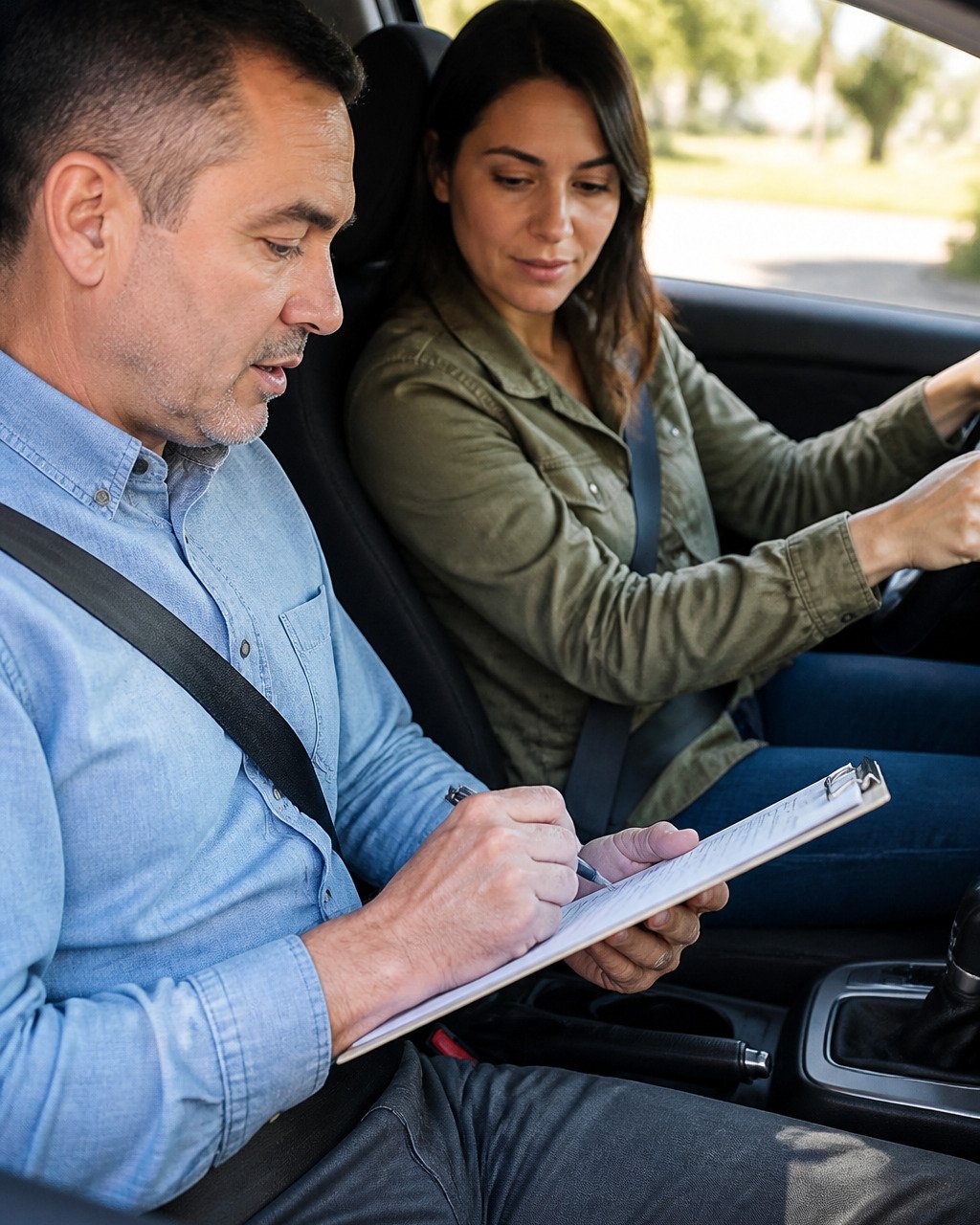
In a first private lesson, your instructor will usually check your familiarity with the car, review basic controls, and take a short drive to see how you handle the road. This gives both of you a clear picture of where to begin.
For current booking options, visit our website.
Frequently Asked Questions
Is a private driving instructor better for adult learners?
Often, yes. A private instructor gives one-on-one attention, lets lessons be scheduled around work, and allows the pace to follow your confidence rather than a fixed course. Adults returning after years away, or those who feel anxious behind the wheel, often find individual lessons less intimidating than group settings. The trade-off is that private lessons usually cost more per hour, so compare the instructor's approach and availability alongside the price before deciding.
How many driving lessons does an adult need?
There is no fixed number. Adults who have driven before and need a refresher may need only a few lessons, while a complete beginner may need considerably more. Your starting experience, how often you can practise between lessons, and how comfortable you feel in traffic all affect the total. A good instructor should assess your skills in the first lesson and give you a realistic estimate rather than a fixed package.
Can adults take driving lessons if they already have a licence?
Yes. Many licence holders take refresher lessons after a long break from driving, after an overseas licence conversion, or when they feel uncertain about road rules and modern traffic conditions. Refresher lessons focus on the skills you need most, such as merging, roundabouts, night driving or parking, rather than starting from the basics. Check the licensing requirements with the relevant road authority before booking if you are converting or upgrading a licence.
What should adults look for in a driving instructor?
Look for patience, clear explanations, and experience with adult learners. Ask whether the instructor has worked with nervous drivers and how they adapt their teaching style. Confirm the instructor holds a current accreditation and that the vehicle is well maintained. Availability outside standard business hours is worth checking if you work full time. A brief trial or first lesson can help you judge whether the fit is right.