 blog
7 Driving Refresher Courses Compared for Adults
Last Updated: November 5, 2026
Quick Summary
Driving refresher courses for licensed adults are short, tailored lessons that sharpen habits, correct slipped skills and rebuild confidence, rather than teaching a learner to pass a test. They focus on real everyday driving, such as parking, roundabouts, multi-lane roads and night driving.
- Refresher lessons start with an honest assessment of what still feels natural and what does not.
- Common areas to revisit include parking, roundabouts, multi-lane roads and night driving.
- Keep a short note after each lesson of one thing that went well to track progress.
- Waiting for a clearly safe gap is always better than rushing a merge in heavy traffic.
- Ask any provider whether the lesson length is fixed or adjustable, and what the cancellation window is.
Table of Contents
- What a Driving Refresher Course Covers for Licensed Adults
- Driving Lessons for Nervous Drivers and Building Driving Confidence
- Driving Lessons in Heavy Traffic: Hazard Awareness, Speed and Gap Selection
- Returning to Driving After a Long Break or Life Change
- Driving Lesson Costs and What Is Included in a Course
- How to Choose the Right Refresher Course and Instructor
- Booking Your First Refresher Lesson With Precision School of Driving
- Frequently Asked Questions
What a Driving Refresher Course Covers for Licensed Adults
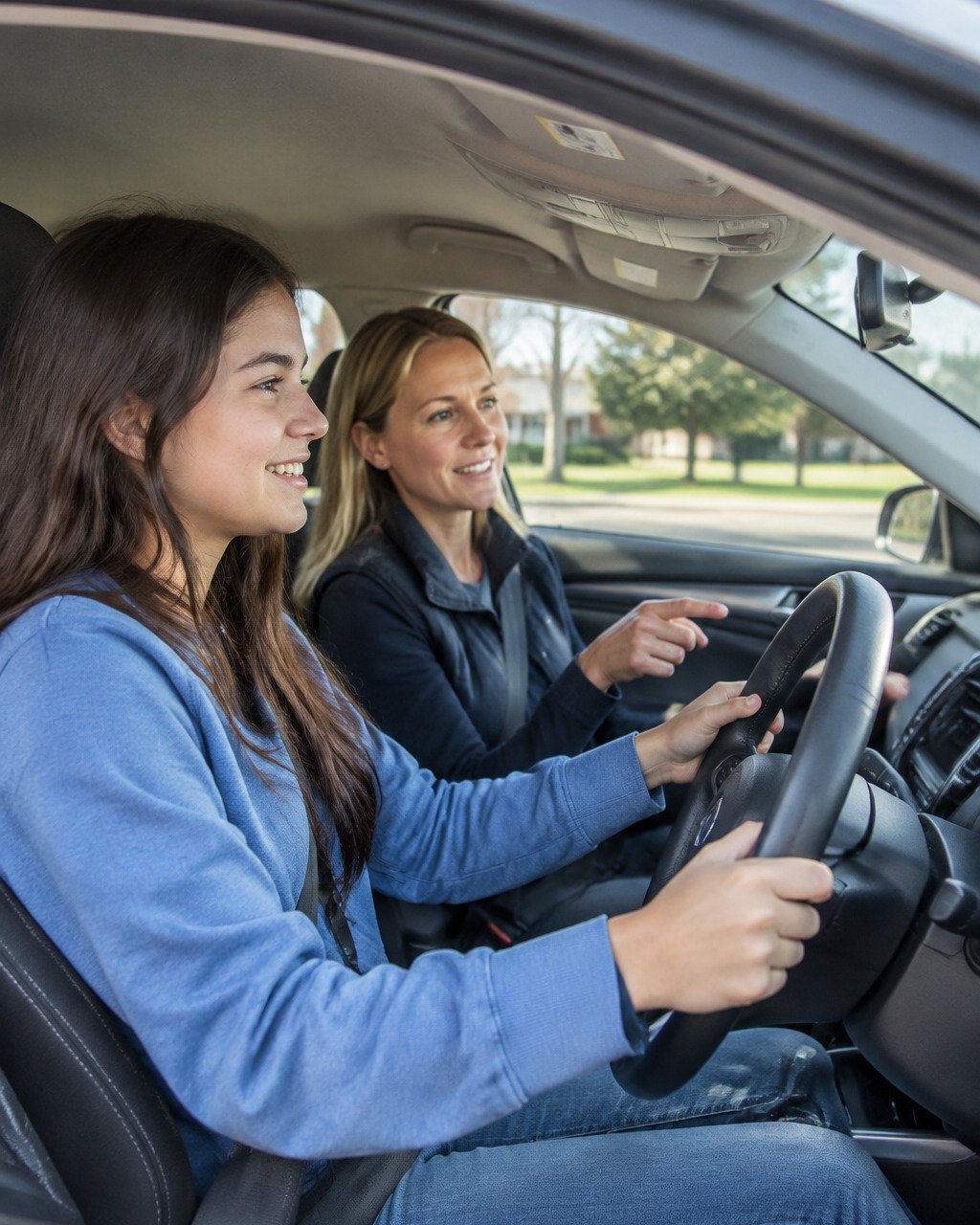
Driving refresher courses for licensed adults are short, structured lessons designed for people who already hold a licence but feel rusty, nervous or out of practice. These lessons can be built around the real driving a licensed adult does each day, not just the skills needed to pass a test.
A refresher is not a second learner course. The aim is to sharpen habits you already have, correct the ones that have slipped and build confidence where it has dropped. Lessons are tailored, so the time goes on the things that matter most to you.
Refresher lessons for already licensed drivers
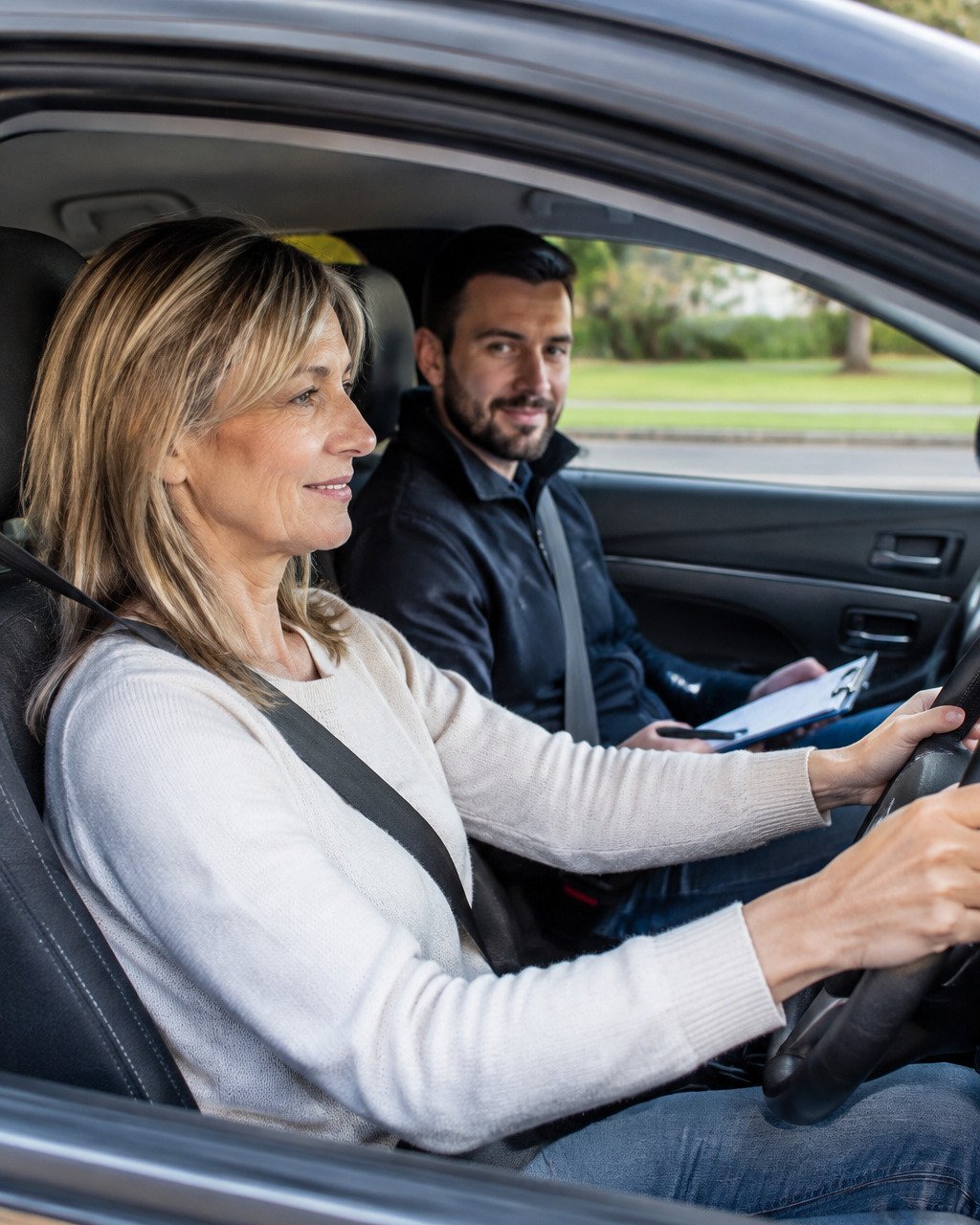
Refresher lessons suit adults who have driven before but have stopped for a while. A common pattern is someone who drove daily for years, then took a long break and now avoids certain roads. The lessons start with an honest assessment of what still feels natural and what does not.
From there, the instructor works through the areas that have slipped. These usually include parking, roundabouts, multi-lane roads and night driving. The focus stays practical: you drive real routes, with feedback as you go.
Improving existing driving skills and safe driving habits
Many licensed drivers have picked up habits that work most of the time but carry risk. Following too closely, checking mirrors less often or relying on the car's sensors can all creep in unnoticed. A refresher gives you an outside view of these habits.
The aim is to build a steady routine: scanning well ahead, keeping a safe following distance and managing speed to suit conditions. Small changes like these often make the biggest difference to everyday safety.
Driving Lessons for Nervous Drivers and Building Driving Confidence
Nervousness behind the wheel is more common than most people admit, and it often gets worse after a bad experience. Calm, patient lessons for anxious drivers, where pace is set by the learner rather than rushed, are the approach Precision School of Driving takes to supporting nervous drivers. To read more about building confidence through calm, practical lesson guidance, you can explore that article.
A practical tip: keep a short note after each lesson of one thing that went well. If anxiety is holding you back, a step-by-step plan to overcome driving anxiety lays out how to tackle it gradually. Over a few weeks, these notes show progress that anxiety can otherwise hide.
Driving Lessons in Heavy Traffic: Hazard Awareness, Speed and Gap Selection
Heavy traffic tests every skill at once, which is why it is the section of a refresher course where structured progression matters most. Hazard awareness means spotting risks early, such as a car pulling out or a pedestrian stepping off a kerb. Speed management means matching your pace to the flow without pushing it. Gap selection means judging when there is enough space to merge or change lanes safely. Each of these can be trained in stages rather than hoped for.
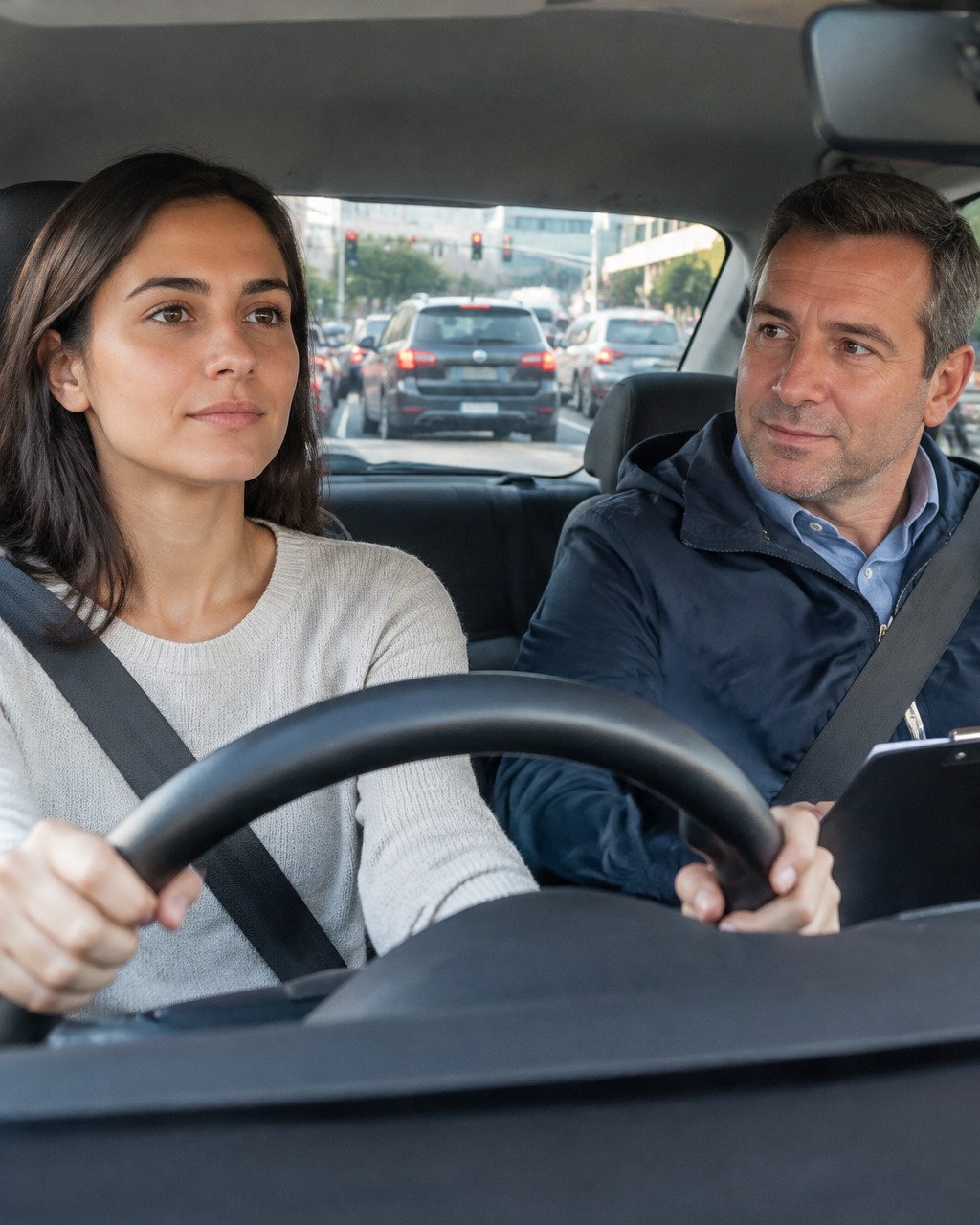
Watch out: rushing a merge to avoid waiting is one of the most common causes of close calls. Waiting for a clearly safe gap is always the better choice, and a refresher course should train you to be comfortable declining a gap that feels tight.
Returning to Driving After a Long Break or Life Change
A break from driving can come from many causes: a move, a health issue, a period of caring for family, or simply years without a car. Each situation brings its own worries, and a good refresher course takes them seriously.
The first step is a relaxed session in a quiet area to rebuild basic control. For a gradual, step-by-step way back behind the wheel, see a step-by-step guide to returning to driving. From there, lessons follow your confidence rather than a fixed timetable. If you were out of driving for a long time, the instructor can also review changes to road layouts and rules that have happened since you last drove.
Many people in this position find that the first few lessons feel the hardest, and that the rest come more easily once the initial nerves ease.
Driving Lesson Costs and What Is Included in a Course
Pricing depends on quantity, dates and the lesson format you choose. For current prices or a quote, please visit the Precision School of Driving website. If you are weighing up whether one-to-one tuition is worth the cost, see whether private driving lessons are worth it for adults.
When comparing courses, look at what is actually included rather than the headline rate. Useful questions to ask any provider include:
-
Is the lesson length fixed, or can it be adjusted to your needs?
-
Does the price include a pre-lesson assessment and a written plan?
-
Are there options for evening or weekend lessons, and is there a surcharge?
-
What is the cancellation window, and is there a fee for a late cancellation or no-show?
-
Is a vehicle provided for the lesson, or are you expected to use your own?
The article lists the questions to ask when comparing what each course includes, so here they are at a glance.
| Question to ask | Why it matters |
|---|---|
| Is lesson length fixed or adjustable? | Shows whether time fits your needs |
| Is a pre-lesson assessment included? | Checks what the price covers |
| Are evening or weekend lessons available? | Notes any surcharge |
| What is the cancellation window? | Shows late cancellation or no-show fees |
| Is a vehicle provided? | Tells you whether to bring your own car |
How to Choose the Right Refresher Course and Instructor
Choosing a refresher course comes down to fit. If you want to know what to look for in a supportive driving school, see how to choose a supportive driving school. Start by being honest about what you want to improve: confidence, specific skills, or preparation for a particular situation.
Next, look at how an instructor works. A good instructor explains each step, gives clear feedback and adjusts the pace to you. If you are neurodivergent or need information presented in a particular way, ask the school how it approaches this before booking.
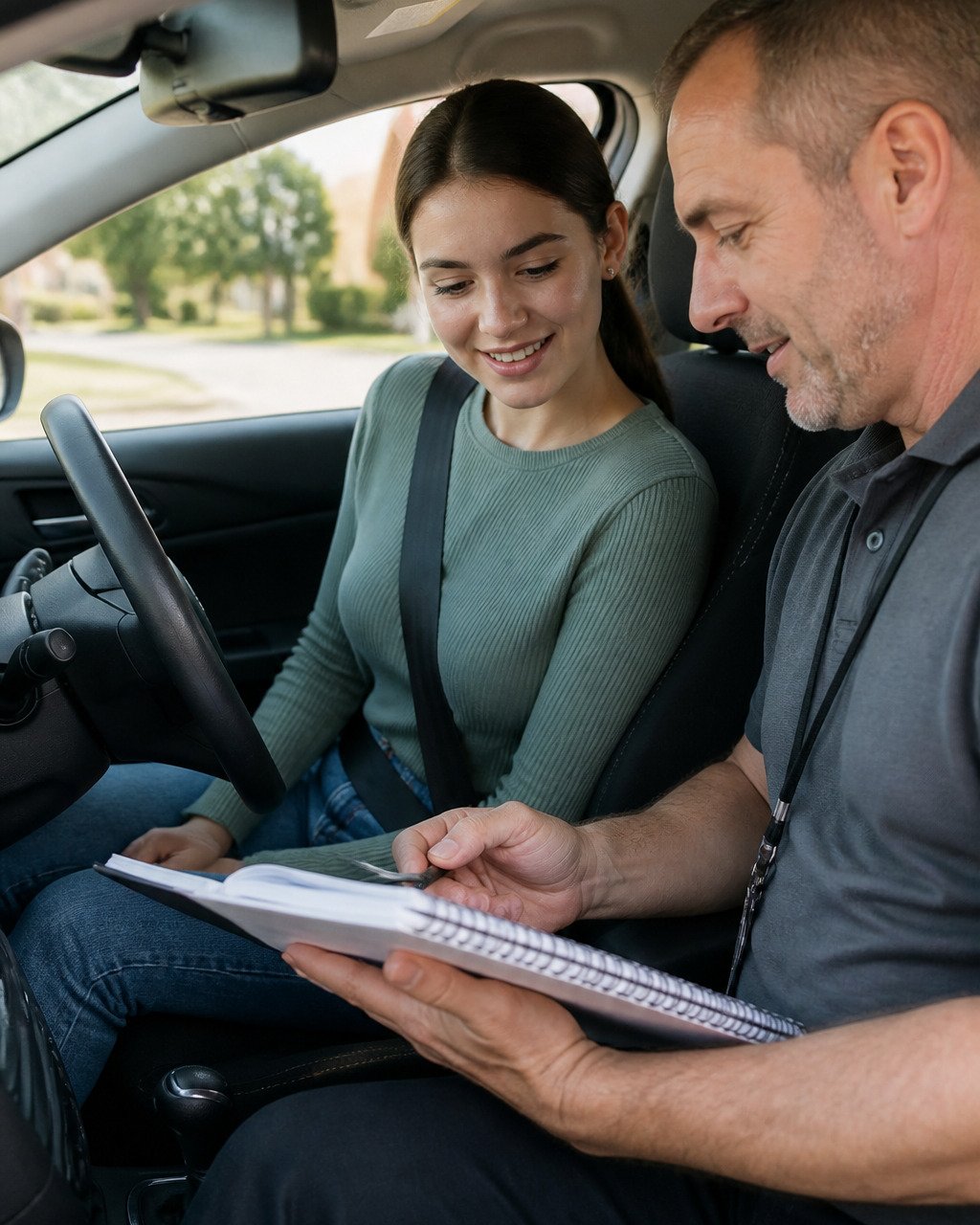
Finally, compare how courses handle progress. Ask how improvement is measured and how a plan is updated as you go. A structured course with regular checkpoints usually gives better results than a loose series of lessons.
Booking Your First Refresher Lesson With Precision School of Driving
Your first refresher lesson is a chance to show your current level and agree on goals. Precision School of Driving offers flexible scheduling, so you can fit driving around your routine.
To get started, use the Book Now option on the Precision School of Driving website. Bring your licence and tell the instructor about any concerns before the lesson begins. Whether you are a nervous driver, a parent looking for a patient instructor for a teenager, or an adult returning after a long break, a calm first lesson is a good place to start.
Frequently Asked Questions
What is a driving refresher course?
A driving refresher course is a set of lessons for people who already hold a licence but want to rebuild confidence, sharpen existing skills or update their habits. Lessons are usually one-on-one with an instructor and tailored to the driver's needs, such as hazard awareness, speed management, safe following distances and merging. Many adults take one after a long break from driving, after a stressful experience behind the wheel, or before driving in unfamiliar or heavy traffic. Because the content is individual, the course can focus on the skills that matter most to the driver rather than repeating a standard syllabus.
Can licensed drivers take refresher driving lessons?
Yes. Licensed drivers can book refresher lessons at any stage, whether they have held a licence for a few years or several decades. Lessons are suited to adults who want more practice in specific areas, such as parking, motorway driving or manual gearbox control, as well as those who feel anxious or out of practice. Precision School of Driving provides tailored lessons for licensed adults in the Adelaide Hills, and pricing and availability depend on the lesson length and schedule. Contact the school directly or visit its website for current details.
How do I choose a driving instructor for adult refresher lessons?
Look for an instructor who is patient, explains things clearly and adjusts the pace to you. Ask whether they have experience with nervous or returning drivers, and whether they can tailor lessons to your goals. Check how the school handles scheduling, including after-work or weekend times, and ask what is included in the lesson fee. A short introductory conversation is a good way to judge whether an instructor's approach suits you before committing to a block of lessons.
What do you learn in a driving refresher course?
Typical content includes hazard perception, speed management, safe following distances, gap selection when merging and driving confidently in traffic. Lessons may also cover road rules you have forgotten, parking, and driving in conditions you find challenging. The exact mix depends on the individual. Your instructor will usually assess your current driving at the start, then set goals and measure progress over the course of the lessons so you can see where you have improved.