 How-to
Returning to Driving After a Long Break: A Step-by-Step Guide
Table of Contents
- Assess Your Readiness to Return to Driving
- Check Your Vehicle Roadworthiness and Insurance
- Refresher Driving Lessons for Adults: Why They Matter
- Your First Drive After a Long Break: A Structured Approach
- Managing Driving Anxiety: Tips and Confidence Building
- Build a Driving Practice Plan for Adults
- Modern Vehicle Technology and Changed Road Environments
- Licence Requirements and Road Rules: What's Changed
- Frequently Asked Questions
Last Updated: October 21, 2026
Assess Your Readiness to Return to Driving
Returning to driving after long break requires honest self-assessment. You need to know whether you're ready before you turn the key.
Start by asking yourself three questions. Do you feel physically capable? Are you mentally prepared? Is your paperwork current?
Self-assessment checklist: confidence, health, and paperwork
Your readiness depends on three areas. Check each one carefully.
Physical readiness:
- Can you sit comfortably for 30 minutes without pain?
- Do your medications affect alertness or reaction time?
- Can you turn your head and shoulders to check blind spots?
- Are your eyesight and hearing adequate for driving?
- Can you reach the pedals and steering wheel without strain?
Mental and emotional readiness:
- Do you feel calm when thinking about driving?
- Can you focus for extended periods?
- Are you willing to start slowly on quiet roads?
- Do you understand that confidence builds gradually?
Paperwork and vehicle:
- Is your licence current and valid?
- Does your vehicle have a current roadworthiness certificate?
- Is your insurance active and current?
- Have you checked tyre condition and fluid levels?
At Precision School of Driving, we help adults work through this assessment. Many returning drivers feel uncertain at first. That's normal. The key is honest reflection before you start.
When to wait: injury, illness, medication, or disability
Some situations mean you should delay your return to driving. Don't rush this decision.
Illness affects concentration. If you're still symptomatic or fatigued, postpone practice.
Medications can impair alertness or reaction speed. Check with your doctor or pharmacist.
Disability doesn't automatically mean you can't drive. Many people with disabilities drive safely.
The rule is simple: if you're uncertain, wait. A few extra weeks of recovery beats an accident.
Check Your Vehicle Roadworthiness and Insurance
Your vehicle must be safe before your first practice drive. An unsafe car undermines confidence and creates real danger.
Check these items before driving:
- Tyres: tread depth at least 1.6mm, no visible damage
- Brakes: responsive, no grinding or soft pedal
- Lights: all working, including headlights, tail lights, brake lights
- Mirrors: clean and properly adjusted
- Wipers: functioning, blades not streaking
- Fluids: oil, coolant, brake fluid at proper levels
- Steering: responsive, no excessive play
Book a service if you haven't driven the vehicle in months. A mechanic can spot issues you might miss.
Insurance is non-negotiable. Verify your policy is current and covers your use. If the vehicle has been off the road, contact your insurer.
Refresher Driving Lessons for Adults: Why They Matter
Refresher driving lessons aren't just for people who failed their test; they're for anyone returning to driving after long break.
Your muscle memory fades. Your knowledge of road rules may be outdated. Traffic patterns change. Vehicle technology evolves.
Refresher lessons rebuild your confidence safely. An instructor sits beside you, ready to guide.
Many adults feel embarrassed about needing refresher lessons. Don't. Returning drivers benefit enormously from structured instruction.
Precision School of Driving specialises in helping anxious drivers rebuild their skills. Our instructors are patient and experienced.
Your First Drive After a Long Break: A Structured Approach
Your first drive sets the tone for your return. Structure matters. Don't just get in the car and hope for the best.
Step 1: Refresh your basic vehicle controls and muscle memory
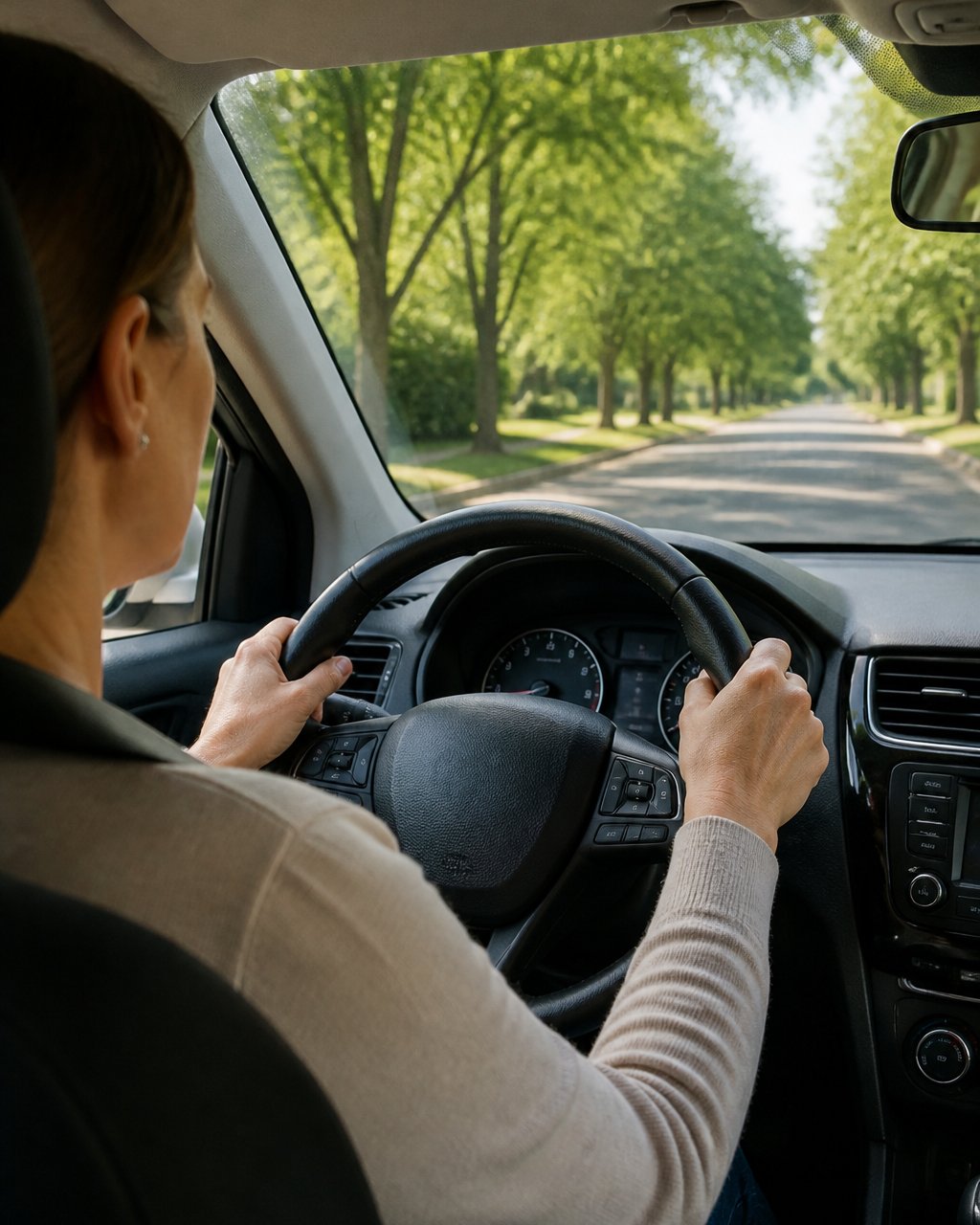
Start in a safe, stationary environment. Sit in the driver's seat.
Locate every control. Where is the ignition? How does the handbrake work? Where are the windscreen wipers? The lights?
Practice the basics without starting the engine:
- Depress the clutch (if manual) or brake (if automatic)
- Turn the steering wheel left and right
- Practise mirror checks: centre, left, right
- Reach the pedals without stretching
Now start the engine. Feel how the vehicle responds to gentle acceleration. Get a sense of the brakes.
Spend 10-15 minutes on this step. Your hands and feet need to remember the movements.
Step 2: Start with short, familiar, low-pressure routes
Your first actual drive should be short. Five to ten minutes is enough.
Quiet residential streets are ideal. Early morning or late afternoon means fewer vehicles. Drive slowly. There's no rush.
Focus on smooth steering. Gentle acceleration. Gentle braking. Let your body remember how the vehicle feels.
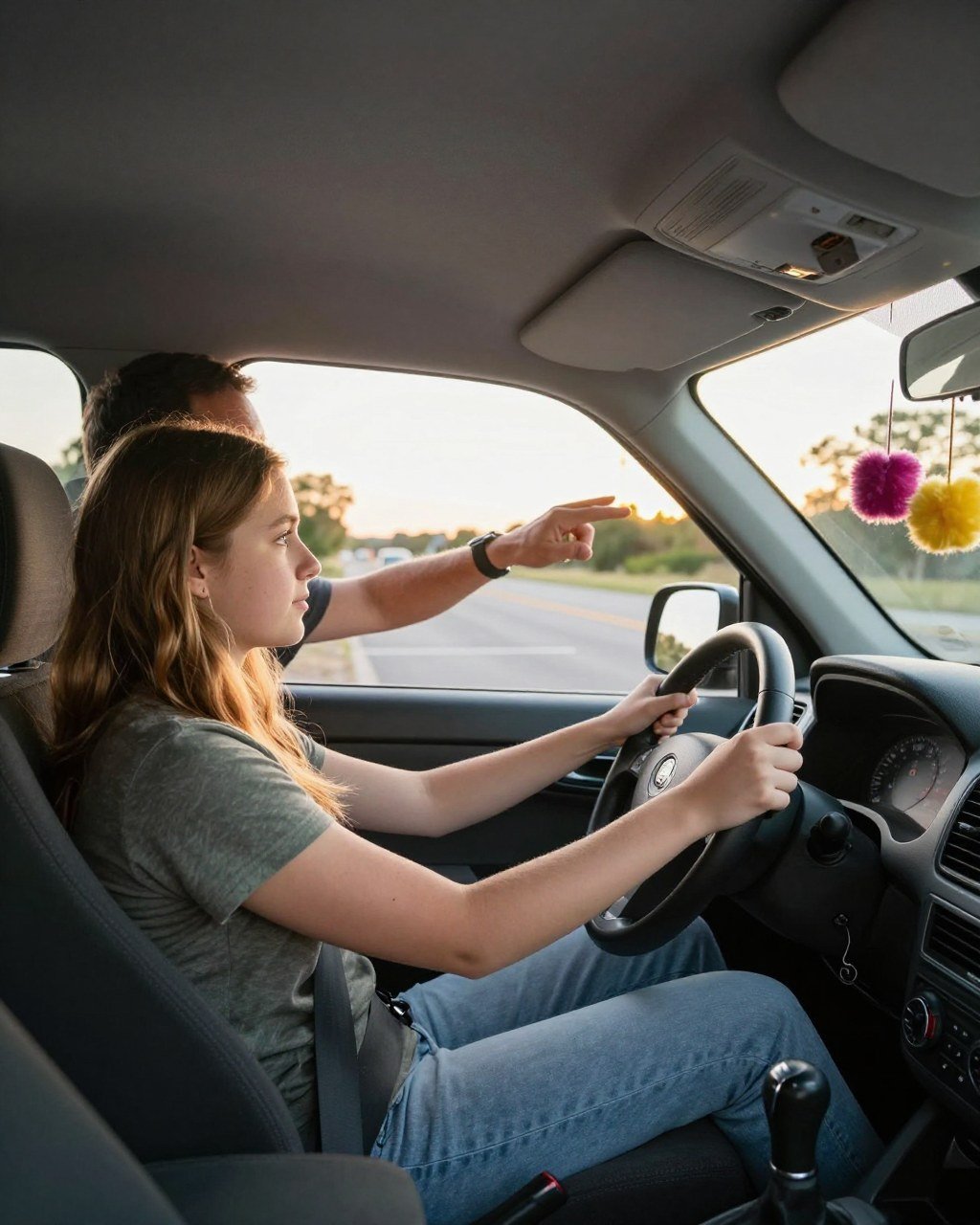
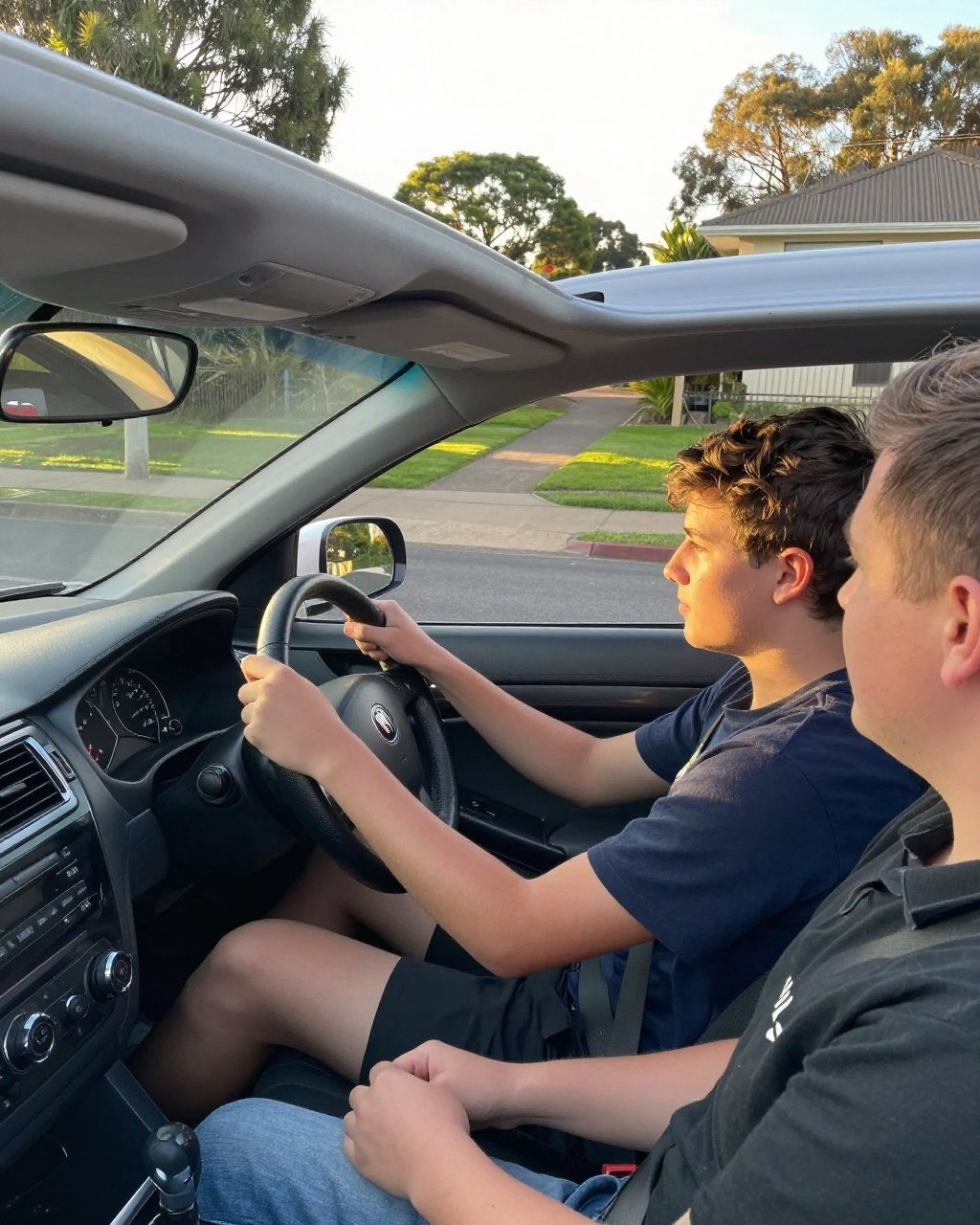
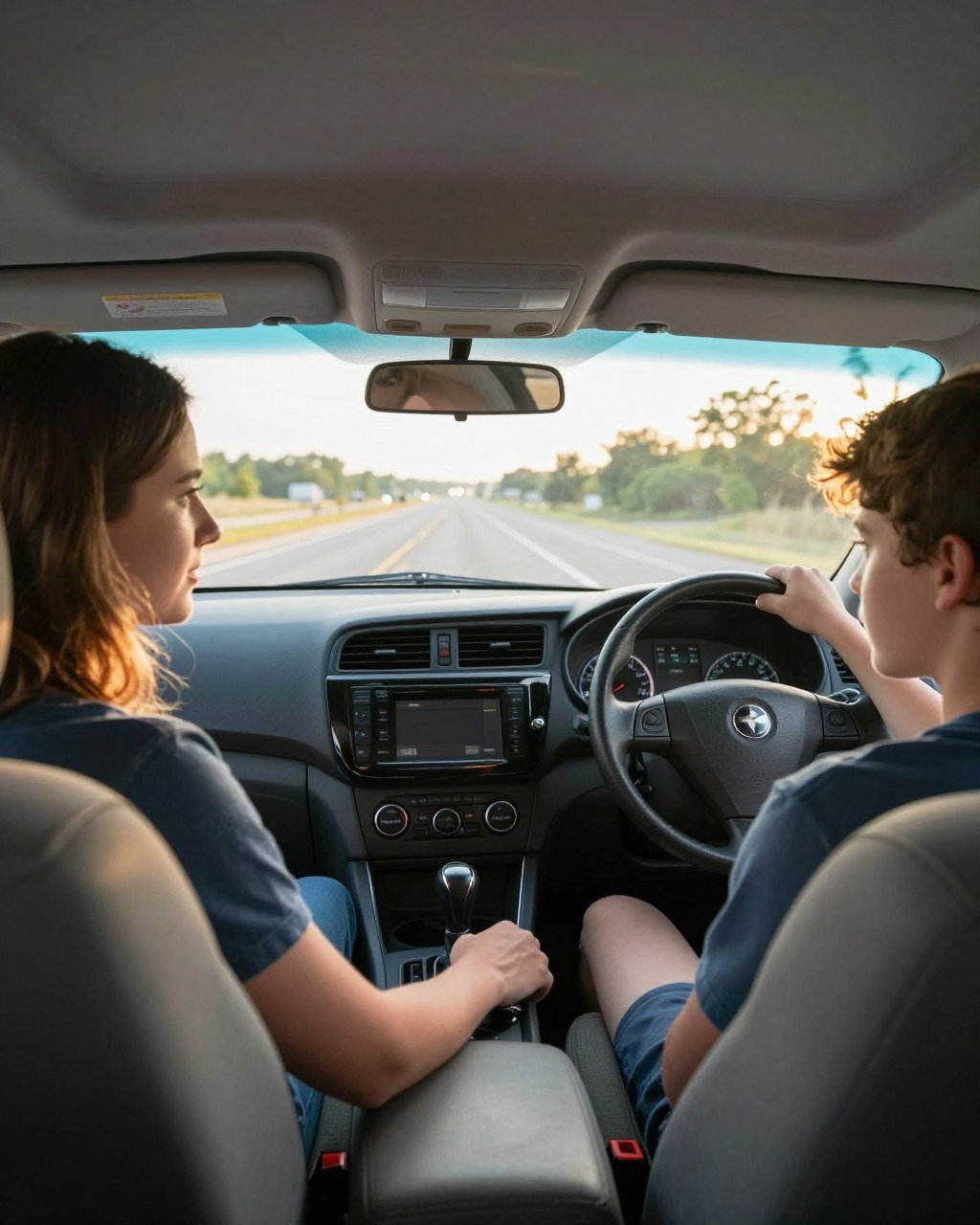
A supervising driver should sit beside you. They provide reassurance. They can offer guidance if you need it.
Step 3: Rebuild observation and hazard-awareness habits
Your observation skills need retraining. The road is full of hazards. You need to spot them before they become dangerous.
Practise these observation habits:
- Check mirrors every 5-10 seconds
- Look for pedestrians at every junction
- Scan ahead for parked cars, cyclists, obstacles
- Watch for traffic signs and road markings
- Notice changes in road surface or weather
Hazard awareness means predicting what might happen. That car parked on the left might open its door. That child on the footpath might run into the road. That cyclist ahead might swerve.
Think about every scenario. What would you do if...? This mental rehearsal sharpens your reactions.
Step 4: Progress gradually to busier roads and complex manoeuvres
Once quiet roads feel comfortable, add complexity slowly. Drive on busier streets. Practise at different times of day. Navigate junctions with traffic.
Progress to these driving situations:
- Busier residential streets with parked cars
- Roads with moderate traffic
- Junctions with traffic lights
- Roundabouts with light traffic
- Dual carriageways (if you feel ready)
Each step should feel manageable, not overwhelming. If something feels too hard, go back to quieter roads for another practice session. Confidence builds through small successes.
Complex manoeuvres, reversing, parking, three-point turns, come later. Master basic driving first.
Managing Driving Anxiety: Tips and Confidence Building
Driving anxiety is real. Your nervous system remembers past experiences. It's protecting you. That's not weakness. That's your body doing its job.
Anxiety doesn't mean you can't drive. It means you need to manage it carefully.
Breathing techniques work fast:
- Before driving, breathe in for four counts, hold for four, exhale for four
- Repeat five times
- This calms your nervous system
Positive self-talk reduces panic:
- "I've done this before. I can do it again."
- "This is a quiet road. I'm safe."
- "My instructor is here. I'm not alone."
Progressive exposure reduces fear:
- Start on the quietest roads
- Each session, add one new element
- Celebrate every small success
Physical comfort matters:
- Adjust the seat so you're comfortable
- Set the temperature you like
- Play music that calms you
- Take breaks if you feel overwhelmed
If anxiety remains high after several practice sessions, talk to your instructor. Some people benefit from specialist support. That's okay. Anxiety is treatable.
Build a Driving Practice Plan for Adults
A structured practice plan keeps you on track. It prevents you from getting stuck or losing momentum.
Structuring your practice: frequency, duration, and progression milestones
Frequency matters more than duration.
Short, regular practice beats long, infrequent sessions. Your brain consolidates learning through repetition. Two 30-minute drives per week beats one 2-hour drive per week.
Build your plan:
| Week | Focus | Duration | Route Type | Milestones |
|---|---|---|---|---|
| 1-2 | Basic controls, muscle memory | 20-30 min | Quiet residential | Comfortable with pedals and steering |
| 3-4 | Observation, hazard awareness | 30-40 min | Quiet streets with some traffic | Confident with mirror checks |
| 5-6 | Moderate traffic, junctions | 40-50 min | Busier roads, light traffic | Comfortable at traffic lights |
| 7-8 | Varied conditions, roundabouts | 50-60 min | Mixed traffic, roundabouts | Confident navigating junctions |
| 9+ | Complex routes, longer drives | 60+ min | Busier roads, motorways | Ready for independent driving |
This timeline is flexible. Some people progress faster. Others need more time. That's fine. Your pace is the right pace.
Practising with a supervising driver: route planning and safety
A supervising driver provides safety and support. Choose someone calm and patient. Avoid people who make you more nervous.
Plan your route before you drive:
- Identify the start and end points
- Mark quiet roads on a map
- Note any hazards or tricky junctions
- Discuss the route with your supervising driver
During the drive:
- Your supervising driver watches the road ahead
- They spot hazards you might miss
- They offer gentle guidance, not criticism
- They praise progress and effort
After each drive:
- Talk about what went well
- Discuss any challenges
- Plan the next session
- Set one small goal for next time
Precision School of Driving can provide a qualified instructor as your supervising driver. Our instructors understand returning drivers. They know how to build confidence without pressure.
Modern Vehicle Technology and Changed Road Environments
Vehicles have changed. Roads have changed. Technology you haven't seen before might be in the car you're driving.
Common modern features:
- Automatic emergency braking stops the car if a collision is imminent
- Lane-keeping assistance nudges you back if you drift
- Blind-spot monitoring alerts you to vehicles you can't see
- Reversing cameras show what's behind you
- Sat-nav systems guide you turn by turn
These features help, but they're not substitutes for your attention. You must still observe, think, and react. Technology supports your driving. It doesn't replace it.
Road environments have evolved:
- More cyclists on the road
- More delivery vehicles stopping unexpectedly
- Changed traffic patterns in many areas
- New road markings and signs
- Mobile phone use by other road users
Your knowledge of these changes might be outdated. A refresher lesson covers current road conditions and modern vehicle features.
Licence Requirements and Road Rules: What's Changed
Road rules evolve. What you learned 10 or 15 years ago might be different today.
Key things to verify:
- Current speed limits in different zones
- Updated road signs and their meanings
- Changed parking rules in your area
- New mobile phone restrictions
- Updated seatbelt requirements
Your licence remains valid if it hasn't expired. Check your licence expiry date.
Some people find it helpful to review the driving handbook before returning to the road. It refreshes your knowledge and builds confidence.
If you're uncertain about any rule, ask your instructor. That's exactly what they're there for.
Your return to driving doesn't have to be rushed or stressful.
Precision School of Driving helps returning drivers rebuild their skills safely.
Frequently Asked Questions
How do I know if I'm ready to start driving again after a long break?
Before returning to driving after a long break, assess three areas: your physical and mental health (any injuries, medications, or anxiety that might affect your ability to concentrate), your driving licence status and any changes to road rules, and your confidence level honestly. A self-assessment checklist covering mirror checks, hazard awareness, and basic manoeuvres can help. If you're uncertain, a refresher driving lesson with a qualified instructor provides a safe, structured way to gauge your readiness without pressure.
What should I practise first when returning to driving after a long break?
Start by refreshing basic vehicle controls in a quiet, familiar area: adjusting mirrors and seats, practising smooth acceleration and braking, and rebuilding clutch control if you drive manual transmission. Progress to short, low-pressure journeys on quiet roads before attempting busier traffic, junctions, or motorways. Gradual progression builds observation and hazard-awareness habits naturally. Most returning drivers benefit from short practice drives (20-30 minutes) several times a week rather than one long session.
How can I manage driving anxiety after being away from the road for years?
Driving anxiety is common when returning after a long break. Manage it by starting on quiet roads with familiar routes, using breathing techniques before and during drives, and practising with a supportive supervising driver who won't pressure you. Consider refresher driving lessons with an instructor experienced in supporting nervous drivers; structured feedback and a calm environment reduce anxiety significantly. Set realistic milestones, celebrate reaching busy roads or motorways as achievements, not expectations.
Should I take refresher driving lessons before driving again after a long break?
Refresher driving lessons for adults are highly recommended, especially after breaks of several years. An instructor assesses your current skills, identifies gaps, and rebuilds confidence in a controlled environment. Lessons are particularly valuable if you're managing driving anxiety, have been away due to injury or illness, or need to familiarise yourself with modern vehicle technology or changed road environments. Even a few structured lessons alongside your own practice significantly accelerates your return to confident, safe driving.