 How-to
How to Help a Nervous Teen Driver Gain Confidence
Quick Summary
To help a nervous teen driver gain confidence, start by identifying the specific fears behind their nerves, then practise in a quiet, low-pressure space. Build skills in small stages, move up only when they show readiness, and use calm, clear instructions.
- Ask open questions to find the two or three specific triggers behind the nerves.
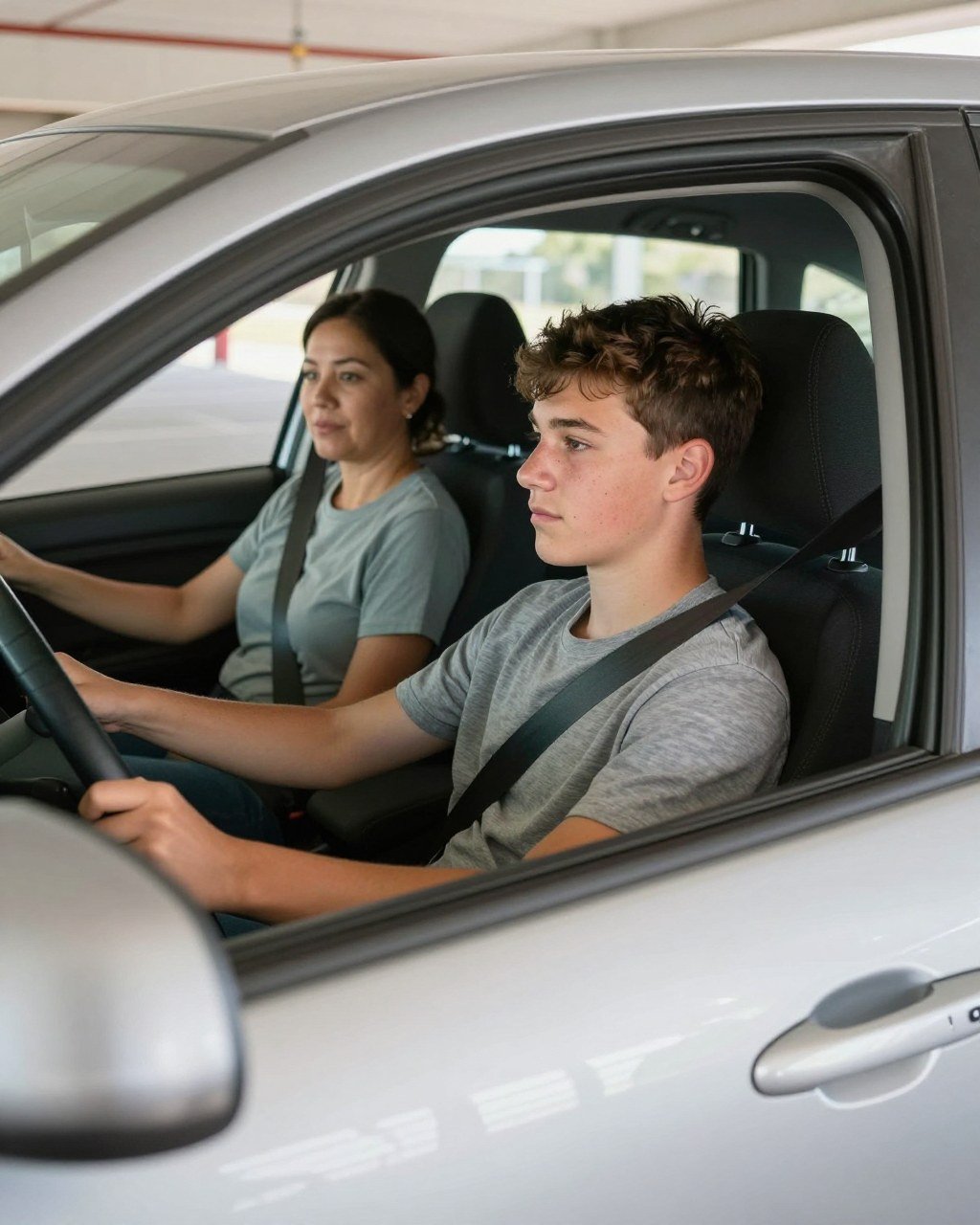
- Practise first in an empty car park, then move to quiet streets and familiar routes.
- Keep sessions short and regular, around twenty to thirty minutes, a few times a week.
- Move to the next stage only when the learner meets clear readiness checks.
- Give one clear instruction at a time, and seek professional lessons if anxiety persists.
Table of Contents
Why Teens Feel Nervous Behind the Wheel
Most nervous teen drivers are not lacking ability. They are lacking the calm that lets their ability show. A new driver is juggling steering, speed, mirrors, and other road users all at once, and the mental load can feel overwhelming. Learning how to help a nervous teen driver gain confidence starts with understanding where that fear comes from.
The fear often has a simple root. Driving is one of the first times a young person is responsible for something that could seriously hurt someone. Add the pressure of getting a licence, the watchful eyes of a parent in the passenger seat, and the comparison with friends who seem to find it easy, and nerves build fast.
Common sources of teen driving nerves include:
- Fear of making a mistake in front of others
- Worry about other drivers reacting badly
- Uncertainty about unfamiliar roads or busy intersections
- Past experiences that felt scary, such as a near miss
- Pressure to pass the test quickly
Spotting the Specific Fears and Triggers
General nerves are hard to fix. Specific fears are easier to work with. Ask your teen what exactly feels scary. "Roundabouts" and "reversing into a tight space" need different responses than a vague feeling of dread.
Try asking open questions during a calm moment, away from the car. Listen without fixing anything right away. Then write down the two or three triggers that come up most. Those become the focus of practice.
Signs of Driving Anxiety to Watch For
Some nerves are normal. Anxiety that gets in the way of learning is a different thing. Watch for patterns that show up again and again, not just one bad drive.
Common signs include:
- Gripping the steering wheel very tightly or freezing at the wheel
- Avoiding certain roads, times of day, or weather
- Refusing to drive, or becoming upset before a lesson
- Racing heartbeat, shaking hands, or shallow breathing during a drive
- Frequent tears or anger after practice
- Saying "I can't do this" as a repeated statement
If these signs last for weeks and do not ease with practice, it may be time to get extra help. For more on this, see how to overcome driving anxiety: a step-by-step plan.
Setting Up a Calm, Low-Pressure Practice Space
The place you practise matters a lot. A busy main road is the wrong first step for a nervous learner. Start somewhere quiet and familiar, where nothing much is happening.
An empty car park on a weekend morning is a strong choice. From there, move to quiet residential streets, then to familiar local routes. Each step should feel like a small, manageable change.
Keep the car comfortable too. Adjust the seat, mirrors, and temperature before starting. Turn off the radio and phone notifications. A calm car helps a calm driver.
A Driving Practice Plan for Teen Learners
A good driving practice plan for teen learners builds skills in small, clear stages. Each stage should be easy enough to succeed at, but hard enough to stretch the learner a little.
Here is a simple progression:
- Stage one: Control the car in an empty car park. Practise starting, stopping, and steering slowly.
- Stage two: Drive quiet streets at low speed. Focus on mirrors and signalling.
- Stage three: Add gentle turns and simple intersections in familiar areas.
- Stage four: Try busier roads, roundabouts, and different times of day.
- Stage five: Handle unfamiliar routes, highway driving, and changing conditions.
Keep sessions short and regular. Twenty to thirty minutes, a few times a week, often works better than one long, exhausting drive. Finish each session on a success, even a small one.
Measurable Readiness Checks Before Each Step Up
Do not move to the next stage because the calendar says so. Move when the learner shows clear signs of readiness. This removes guesswork and reduces pressure.
Before each step up, check that the learner can:
- Complete the current stage's tasks without parental takeovers
- Stay calm for most of a session, with no freezing or tears
- Explain what they would do in a common hazard
- Repeat the same drive several times with consistent control
If one or two checks are not met, stay at the current stage for another week. Progress that is steady is far better than progress that is rushed.
What to Say to a Nervous Teen Driver
The words you use in the car shape how your teen feels. Clear, calm directions help far more than criticism or sudden corrections.
Give one instruction at a time, early enough to act on it. Say "In 100 metres, turn left" rather than "Left! Left! Watch out!" Keep your voice steady, even when you feel stressed.
Helpful phrases include:
- "You're doing well. Let's take the next small step."
- "That was a good check of your mirror."
- "It's fine to slow down. Take your time."
- "Tell me what you're noticing right now."
Avoid comparisons with siblings or friends. Also avoid sighing, grabbing the dashboard, or saying "Be careful" without a clear instruction.
What to Do During an Acute Panic Response
Sometimes a learner panics in the middle of a drive. Breathing gets fast, hands freeze, and the mind goes blank. Stay calm and act in this order:
- Ask the learner to pull over safely if they can, or to slow down and stop when it is clear.
- Turn off the engine if the car is stopped and safe to do so.
- Guide slow breathing: in for four counts, out for six.
- Name what is happening, quietly: "You're feeling overwhelmed. That's okay. Let's breathe."
- Once calm, end the drive on a positive note, even if it was short.
Do not push the learner to continue straight away. Come back to the problem at the next lesson, in a quieter setting.
When Professional Driving Lessons for Nervous Learners Make Sense
Parent practice is valuable, but it is not always enough. Professional driving lessons for nervous learners can help when anxiety is strong, persistent, or getting worse. A patient instructor can read a learner's stress and adjust the pace.
Consider professional help if:
- Practice at home has stalled for several weeks
- Panic responses happen often
- The family relationship is strained by driving practice
- The learner has a specific need, such as a neurodivergent learning style
For guidance on choosing that support, see personalised driving lessons for teens build real confidence.
Booking Your Teen's Next Lesson with Precision School of Driving
At Precision School of Driving, we offer calm, patient, and personalised driving lessons, and we specialise in supporting anxious or nervous drivers. We also offer flexible scheduling and safe, regularly maintained vehicles, so your teen can focus on learning.
If your teen is ready to build confidence, the best next step is a lesson. Book your teen's next lesson with us and start with a plan that fits their needs.
Frequently Asked Questions
How can I help my teen feel more confident driving?
Start in a quiet, empty area and keep early sessions short, around 20 to 30 minutes. Give one instruction at a time, praise specific actions such as checking mirrors or braking smoothly, and avoid correcting several things at once. Move to familiar local roads only after your teen can stay calm in the parking area. Confidence grows from repeated, successful practice rather than from pushing into harder traffic before your teen is ready.
How often should a nervous teen practise driving?
Short, regular sessions usually work better than long, infrequent drives. Two or three sessions of 20 to 40 minutes each week give a nervous learner steady exposure without overwhelming them. Keep a log of what was practised and how your teen felt, and adjust the frequency if fatigue or stress starts to build. Consistency matters more than total hours, so a predictable routine is often more useful than a single long drive on the weekend.
Should a nervous teen take professional driving lessons?
Professional lessons can help when practice at home keeps stalling, when arguments become frequent, or when your teen needs a neutral instructor who can teach in a patient, structured way. Look for an instructor with experience supporting anxious learners and a clear plan for building skills gradually. Many parents use professional lessons alongside supervised practice, so the teen gets calm coaching while the family keeps up regular practice at home.
What are signs that a teen has driving anxiety?
Common signs include avoiding driving or finding reasons to delay lessons, freezing or gripping the wheel tightly, rapid breathing, tearfulness, or frequent requests to stop during practice. Some teens also become irritable or withdrawn before sessions. Occasional nerves are normal, but if fear persists over several weeks, interferes with daily life, or triggers panic episodes, consider talking with a GP or psychologist for further support.