 How-to
How to Prepare for a Driving Test in Hilly Terrain
Last Updated: November 12, 2026
Quick Summary
To prepare for a driving test in hilly terrain, practise the hill-start sequence until it is automatic: clutch to the bite point, hold the handbrake, add light throttle, then release the handbrake only when you feel the car pull forward. Repeat ten hill starts on a quiet incline and rehearse a full mock test on a hilly route before test day.
- Practise the hill-start sequence at least ten times in a row on a quiet incline.
- Change down to second or third gear before a descent and use engine braking.
- Slow down well before hairpin bends and accelerate gently after the apex.
- On narrow inclines, slow enough to stop within the distance you can see.
- If you stall, stay calm, restart the engine and move off using the hill-start sequence.
Table of Contents
- Why Hilly Terrain Tests Catch Learners Out
- How to Do a Hill Start Without Rolling Back
- Driving Downhill Safely: Speed, Gears and Brakes
- Practising Hairpin Bends and Narrow Inclines
- Your Driving Test Preparation Checklist for Hill Routes
- Driving Lessons for Nervous Learners on Steep Roads
- Common Mistakes to Avoid on Test Day
- Booking Practice Sessions on Real Hill Routes
- Frequently Asked Questions
Why Hilly Terrain Tests Catch Learners Out
Hilly terrain is the part of a driving test that exposes every gap in clutch control, speed judgment and gear choice at once. A flat suburban route forgives a rushed decision. A steep incline does not.
Learners often find that they can reverse park and indicate correctly, and then a hairpin bend on a narrow incline undoes all of it. The car rolls back a few centimetres at a set of lights. The engine stalls mid-corner. Confidence drops, and the rest of the test suffers.
The reason is simple. Hills demand three skills at the same time: clutch and throttle balance, engine braking, and forward planning. Most learners practise each skill separately on flat roads. A test on hilly terrain asks for all three together.
Here is the good news. These are learned skills, not natural talents. Below, we break down exactly how to prepare for a driving test in hilly terrain, from hill starts to hairpin bends and test-day routines.
How to Do a Hill Start Without Rolling Back
A hill start without rollback comes down to one sequence: clutch to the bite point, hold the handbrake, add light throttle, then release the handbrake only when you feel the car pull forward. Get the order right and the car will not move backwards.
Here is the sequence we teach, step by step:
- Stop fully and keep your foot on the brake.
- Apply the handbrake firmly.
- Select first gear and set the clutch to the bite point. You will feel the car dip slightly and the engine note change.
- Add a small amount of throttle and hold it steady.
- Release the handbrake smoothly while keeping the clutch steady.
- Ease off the clutch as the car moves forward.
A common mistake is releasing the handbrake before the clutch reaches the bite point. The car rolls back instantly, and on a test that can mean a fail.
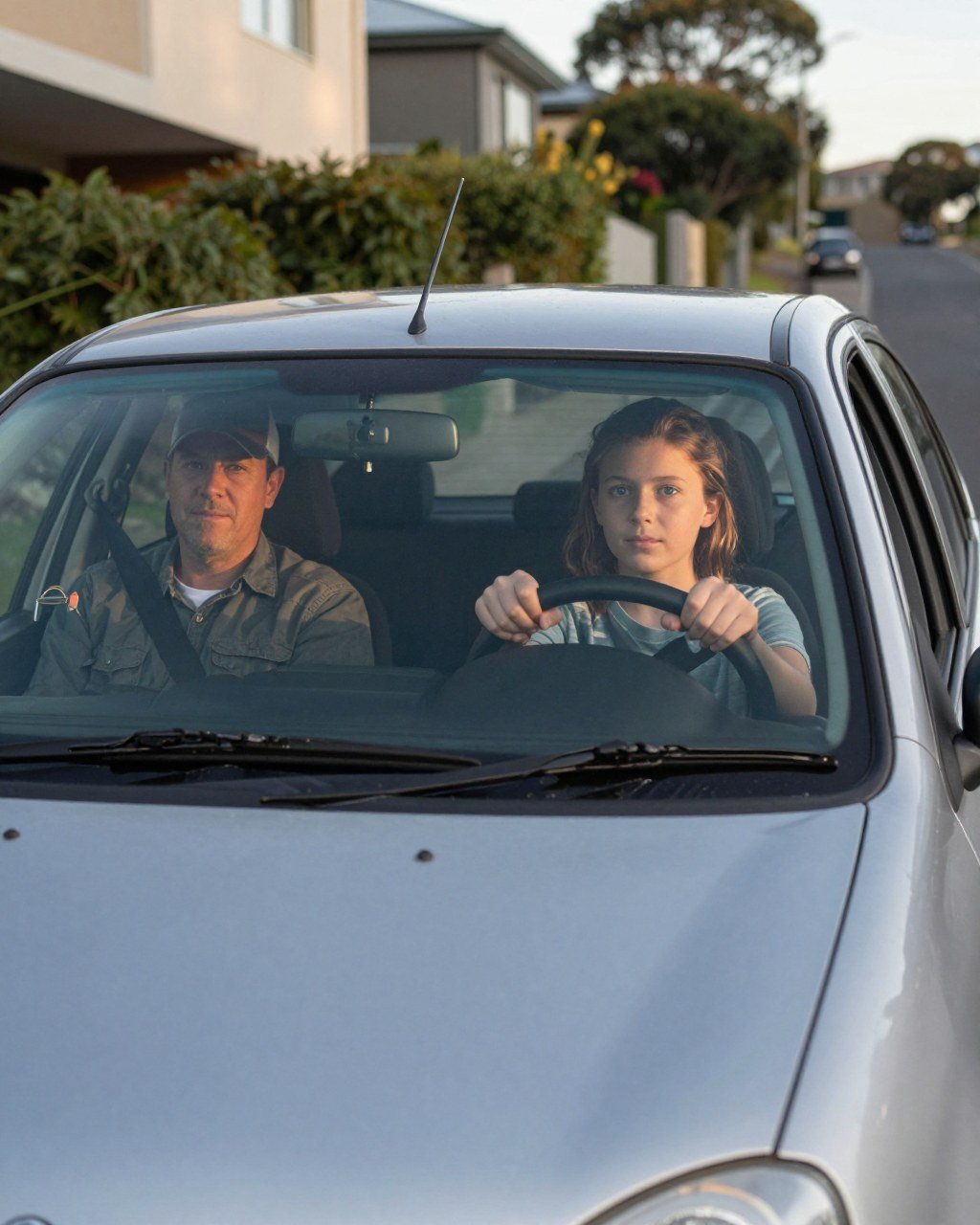
Practise this on a quiet incline at least ten times in a row before test day. Repetition builds the muscle memory that nerves cannot override.
Here is the hill-start sequence to practise until it becomes automatic.
| Step | What to do |
|---|---|
| 1 | Stop fully and keep your foot on the brake |
| 2 | Apply the handbrake firmly |
| 3 | Select first gear and set the clutch to the bite point |
| 4 | Add a small amount of throttle and hold it steady |
| 5 | Release the handbrake smoothly while keeping the clutch steady |
| 6 | Ease off the clutch as the car moves forward |
Driving Downhill Safely: Speed, Gears and Brakes
Driving downhill safely means selecting a lower gear before the descent and using engine braking to control speed, rather than riding the brakes the whole way down. This keeps the car stable and prevents brake fade on long slopes.
The technique is straightforward:
- Change down before the hill starts. Pick second or third gear depending on steepness.
- Let the engine slow the car. Take your foot off the accelerator and let engine braking do the work.
- Brake in short, firm applications if you need to slow further.
- Never coast in neutral. You lose control and braking efficiency.
What most guides miss is how much downhill speed affects your steering through bends. A car travelling too fast into a downhill corner will not hold its line, no matter how well you turn the wheel.
If you are coming from flat-road driving, expect the car to pick up speed faster than you think. Plan your gear change earlier than feels natural.
Practising Hairpin Bends and Narrow Inclines
Hairpin bends and narrow inclines reward slow, deliberate steering and early speed reduction. The correct approach is to slow before the bend, hold a steady line, and accelerate gently only once you can see the exit.
Use this routine in practice:
- Approach slowly. Reduce speed well before the bend, not during it.
- Check your mirrors and blind spot for oncoming traffic on narrow sections.
- Steer smoothly with both hands, feeding the wheel rather than crossing your arms.
- Stay left on narrow inclines and give way where the road demands it.
- Accelerate after the apex, once the road ahead is clear.
The biggest risk on narrow inclines is meeting another vehicle. Slow down enough that you can stop within the distance you can see. That single habit prevents most close calls.
Your Driving Test Preparation Checklist for Hill Routes
A driving test preparation checklist keeps your practice focused and your test day calm. Work through it in the weeks before your test, not the night before.
- Practise ten hill starts on a quiet incline
- Complete five downhill descents using engine braking only
- Drive three hairpin bends at controlled speed
- Rehearse a full mock test on a hilly route
- Check mirrors and blind spots before every manoeuvre
- Confirm your test time, location and required documents
- Get a full night's sleep and eat before the test
For the broader test process, from booking to the driving assessment itself, our guide on how to pass your driving test covers each stage in detail.
Driving Lessons for Nervous Learners on Steep Roads
Nervous learners improve fastest on steep roads when lessons start small and build gradually. Confidence comes from repeated success on manageable slopes, not from being thrown onto the steepest hill on day one.
Calm, patient instruction suits anxious drivers well. Breaking each hill skill into small steps and repeating them until they feel automatic is a sound approach for nervous learners.
If nerves are your main barrier, our guidance on driving lessons for nervous drivers explains how structured, confidence-first lessons work. Adult learners returning after a long break can also read our calm guide to driving lessons for anxious adults.
Watch out: booking a single lesson the week of your test and hoping it fixes everything. Hill skills need repetition over several sessions to stick under pressure.
Common Mistakes to Avoid on Test Day
Test-day mistakes on hilly routes usually come from rushing, not from lack of skill. The most common ones are releasing the handbrake too early, riding the brakes downhill, and entering bends too fast.
Here is what to watch for:
- Rolling back at lights. Use the handbrake, not just the footbrake, on steep stops.
- Stalling on an incline. Stay calm, restart, and continue. One stall is not the end of your test.
- Brake fade. Use engine braking on long descents so your brakes stay responsive.
- Late gear changes. Change down before the hill, not halfway down it.
- Oversteering through bends. Small, smooth inputs beat big corrections.
If you stall, take a breath, restart the engine and move off again using the hill-start sequence. Examiners assess how you recover, not whether you are perfect.
Booking Practice Sessions on Real Hill Routes
Real hill routes beat car parks every time, because they build the exact skills the test measures. Practising on the roads you will actually be tested on removes the surprises that cause stalling and rollback.
Tailoring each session to the skills you need most is worth looking for in a driving school. Flexible scheduling can make it easier to book lessons around work or school. If you need after-hours options, our guide to after-hours driving lessons explains what is available.
Before you book, it helps to know what to expect on cost. Our breakdown of Adelaide Hills lesson package costs shows how to compare options clearly.
Hilly terrain does not have to be the thing that holds you back. With calm, structured practice and patient guidance, the skills become second nature. Precision School of Driving offers personalised lessons, flexible scheduling and safe, regularly maintained vehicles, all designed to build real confidence on steep roads. Get started with Precision School of Driving and walk into your test ready for every incline.
Frequently Asked Questions
How do you do a hill start without rolling backwards?
Bring the car to a full stop, keep your foot on the brake and select first gear. Find the bite point by slowly releasing the clutch until you feel the engine change note and the bonnet lift slightly. Hold the clutch there, release the handbrake, then add a little acceleration as you ease the clutch out fully. In an automatic, hold the footbrake, select drive, and let the car creep forward before releasing the brake. Practise on a quiet incline until the sequence feels automatic.
What should you practise before a driving test in hilly terrain?
Work through a driving test preparation checklist that covers hill starts from a standstill, controlled downhill braking, gear selection on long descents, and stopping and moving off again on a steep grade. Add three-point turns on narrow slopes and pulling out onto a busy incline where visibility is limited. Book at least two practice sessions on roads that match the test route, and run through mirror and blind-spot checks every time so the habit holds under pressure.
Should you use a handbrake for a hill start?
Using the handbrake is the safest method for a hill start, especially on steep grades where rollback is a fail. It holds the car while you find the bite point, so your right foot is free to add acceleration smoothly. Once you feel the car pulling forward, release the handbrake fully and drive off. Some examiners accept a footbrake start if you can hold the car without rolling, but the handbrake gives you a reliable backup and shows controlled clutch use.
How can nervous learners build confidence driving on hills?
Start on gentle inclines with no traffic behind you, and repeat the same hill start until it feels routine. Break each manoeuvre into small steps and say them aloud as you go. Structured driving lessons for nervous learners help because an instructor can talk you through the sequence calmly and correct small errors before they become habits. Practise regularly on quiet roads, then gradually add busier routes and steeper grades as your confidence grows.