 How-to
7 Reasons Driving Lessons Are Worth the Money
Last Updated: November 14, 2026
Quick Summary
Driving lessons are worth it because a qualified instructor corrects faults, such as a weak mirror check or a braking habit, before they harden, and structured feedback helps you build safer habits for solo driving. Mixing professional driving lessons with supervised practice gives you both technique and hours behind the wheel.
- The global driving school market is reported to grow from USD 103.11 billion in 2025 to USD 108.15 billion in 2026.
- Build a total-cost budget covering lesson fees, test fees, retake fees, practice vehicle costs, insurance and time.
- A learner who books the test only when their instructor signs off avoids the retake cycle entirely.
- Assess prior experience, confidence, skill gaps and licensing requirements instead of buying a fixed package.
- Ask an instructor how they adapt lessons for anxious or neurodivergent learners before you book.
Table of Contents
- Why Driving Lessons Are Worth It: The Short Answer
- Are Driving Lessons Worth the Money?
- Professional Driving Lessons vs Learning From Family
- How Many Driving Lessons Do I Need?
- Driving Lessons for Nervous Drivers
- Safe Driving Habits and Hazard Awareness You Can't Learn From a Manual
- Test Readiness: Why Structured Lessons Improve Your Pass Rate
- Choosing an Instructor Who Fits How You Learn
- Frequently Asked Questions
Why Driving Lessons Are Worth It: The Short Answer
Why driving lessons are worth it comes down to one thing: they compress years of expensive guesswork into a structured, supervised learning period with a qualified instructor who corrects faults before they harden.
The global driving school market is reported to grow from USD 103.11 billion in 2025 to USD 108.15 billion in 2026, a 4.9% compound annual growth rate, according to Research and Markets' Driving School Market Report 2026. Families are not spending that money on a whim.
Below, we break down the real costs, the honest trade-offs and the practical way to decide how many lessons you actually need.
Are Driving Lessons Worth the Money?
Yes, for many learners, because the hourly fee can buy correction as well as company. A qualified instructor can spot faults such as a rolling stop, a weak mirror check or a braking habit that a learner may not notice themselves. But the honest answer is that lesson price alone tells you very little. What matters is the total cost of getting licensed safely, and that figure includes several line items most learners never add up.
What You Pay For Beyond the Hourly Rate
Professional lessons generally involve more than time in the car, including instruction and feedback during each session. Pricing varies by provider, lesson length and package, so check current rates directly with the school you are considering. For a transparent look at where the money goes, read our breakdown of why driving lessons cost more.
A Transparent Total-Cost Comparison
Most guides compare the hourly lesson fee with free family practice and stop there. That comparison is misleading, because informal practice is not actually free and lessons are not the only cost of licensing. Build a simple budget with these categories and put your own quoted figures against each one:
- Professional lesson fees: the quoted hourly or package rate, multiplied by your planned number of lessons.
- Test fees: the booking fee for your practical driving assessment, plus any vehicle-hire fee charged by the test centre or school on the day.
- Retake fees: the same booking fee again for every unsuccessful attempt, plus the extra lessons most learners book between attempts.
- Supervised practice vehicle costs: fuel, wear and tear, and the higher insurance premium that often applies when a learner is listed on a private policy.
- Registration, compulsory third-party insurance and any comprehensive cover: costs you carry whether you learn privately or professionally.
- Time: the unpaid hours a family supervisor spends in the passenger seat, and the delay caused by waiting for a willing supervisor rather than booking a lesson.
When you lay the numbers out this way, the lesson fee stops looking like the expensive option and starts looking like the item that shortens the whole budget. A learner who books the test only when their instructor signs off avoids the retake cycle entirely, and each avoided retake removes a booking fee plus a block of remedial lessons from the total.
The Costs Lessons Can Help You Avoid
Bad habits can be costly. A failed test can mean retake fees and more lessons, and early instruction can focus on hazard awareness and defensive driving. The same principle applies to insurance: insurers commonly ask about driving history when setting premiums, so a clean record built on sound instruction is worth more than the few dollars saved on a bargain lesson.
A 2024 study in Expert Systems and Applications on virtual driving instructors described real-time, unbiased feedback as a promising way to help learner drivers, though it gave no measurable outcome.
Professional Driving Lessons vs Learning From Family
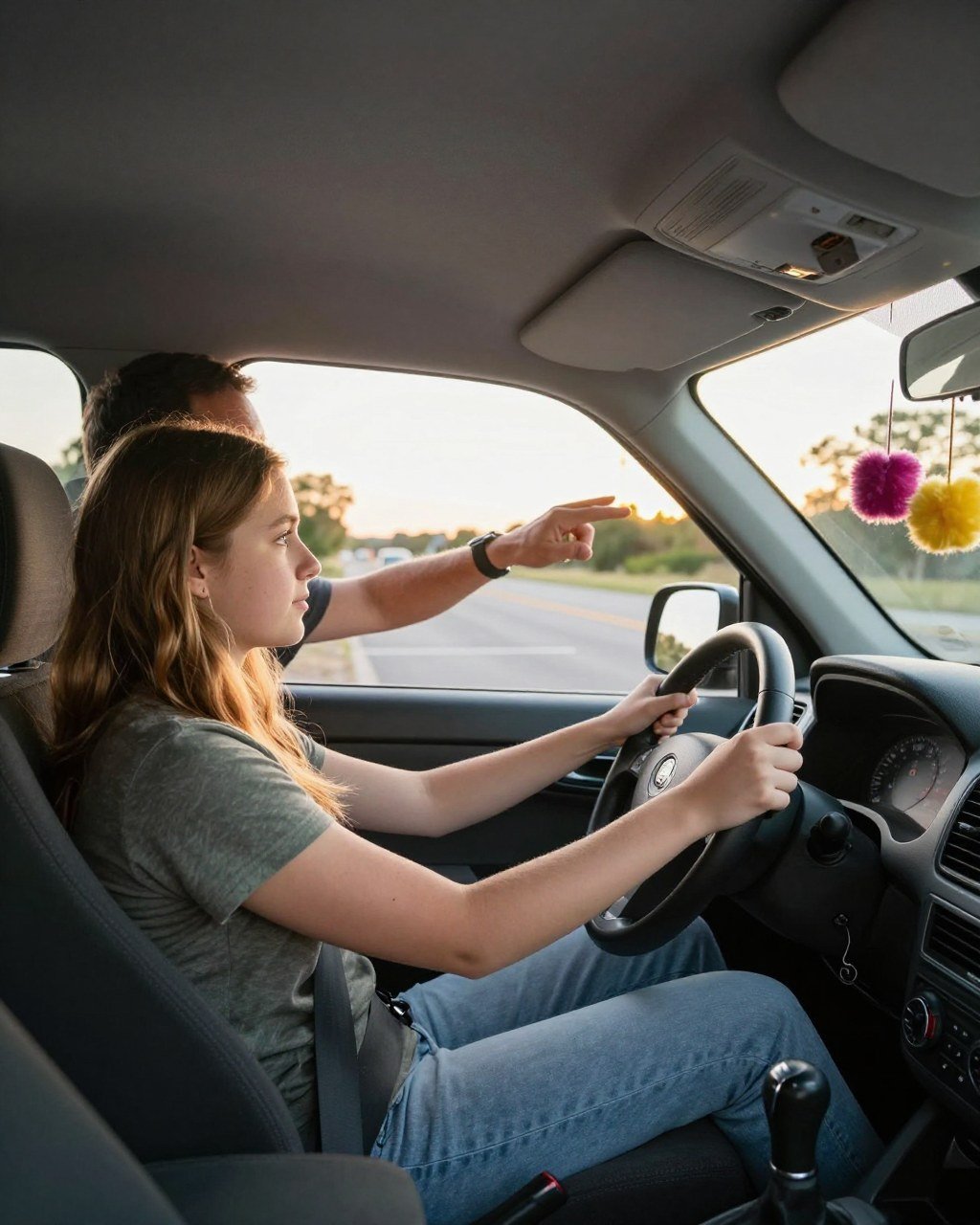
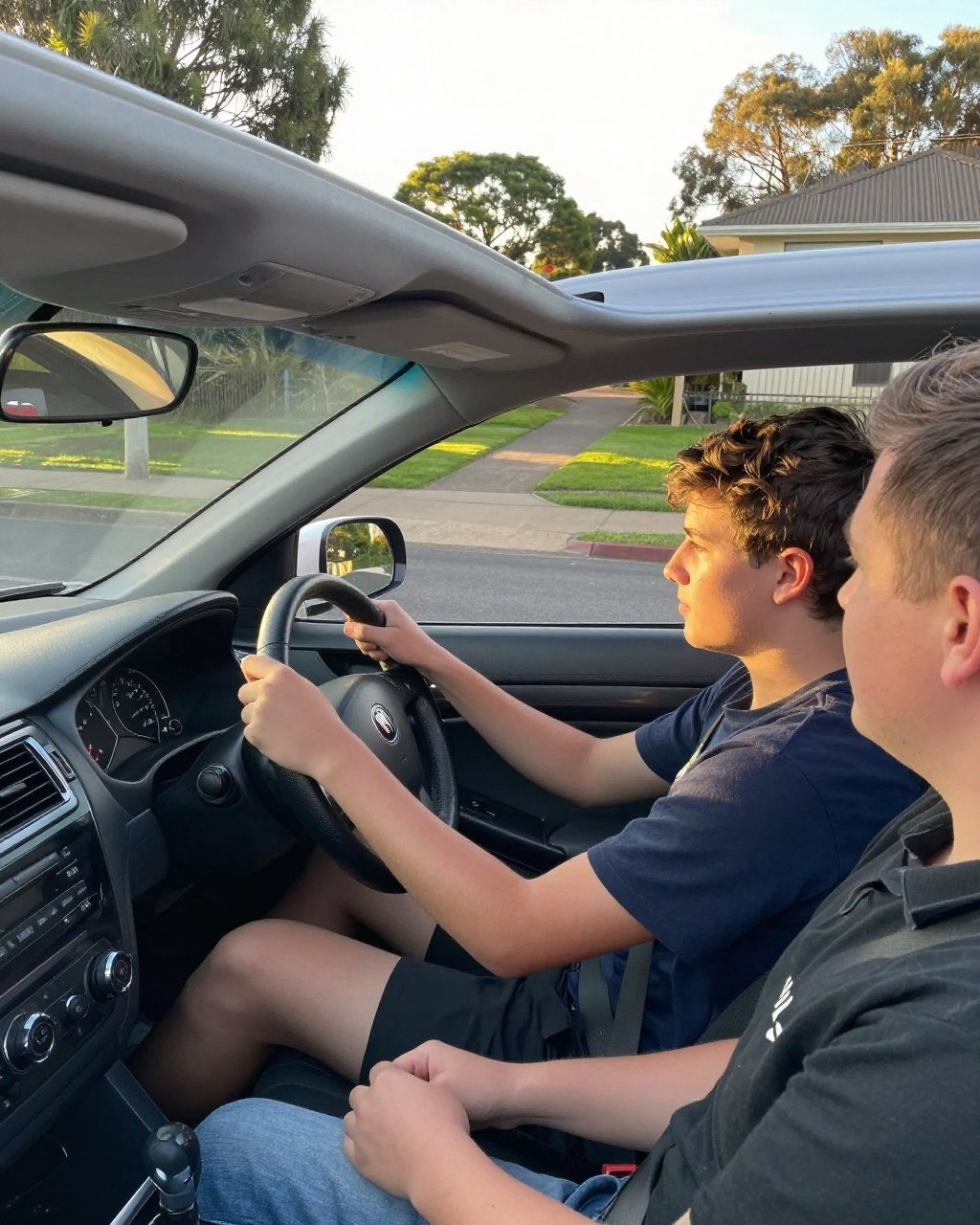
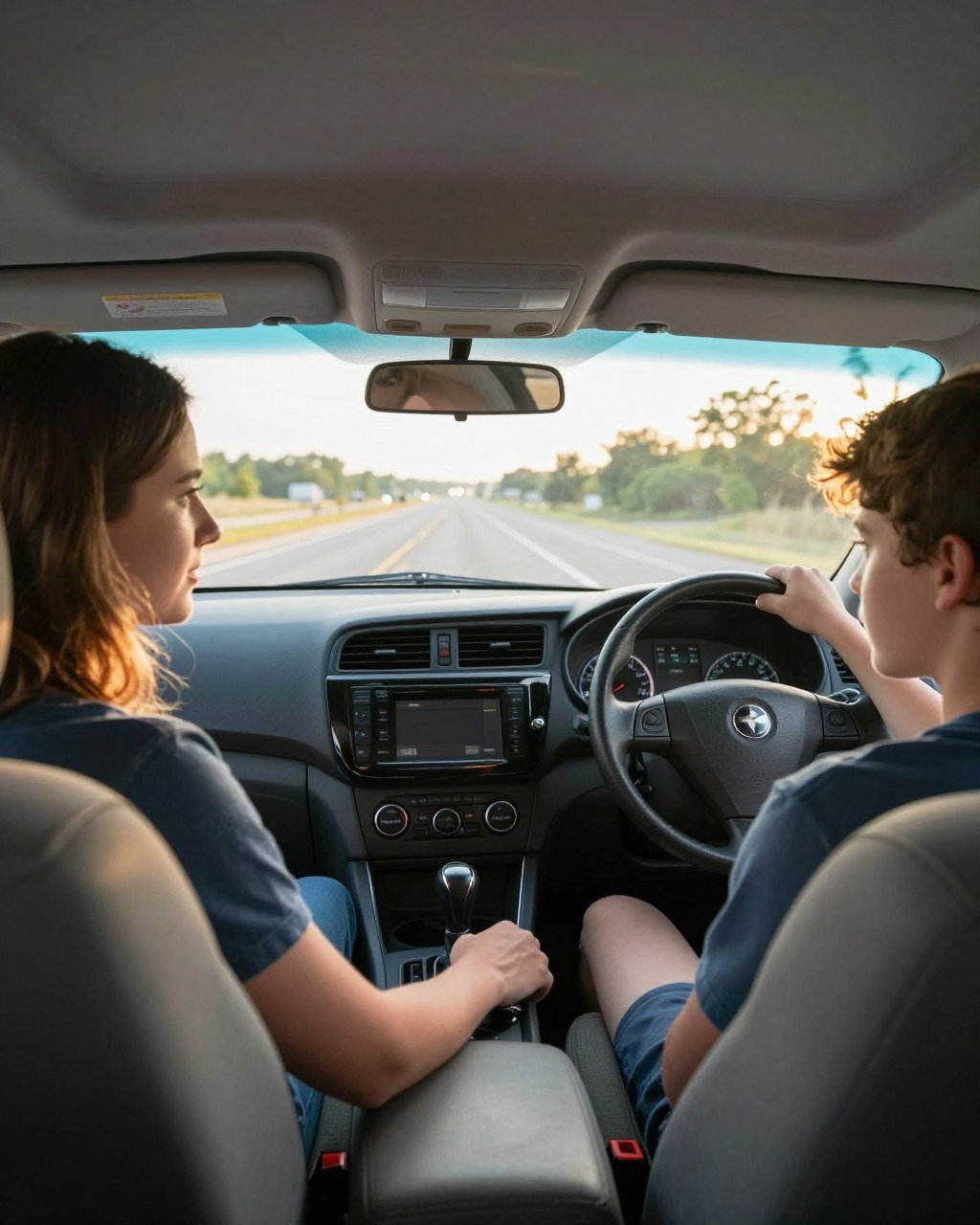
Professional driving lessons teach technique and road rules in a structured way. Family practice builds hours and familiarity. Both can be valuable, but they are not interchangeable.
Here is the honest comparison:
| Factor | Professional Lessons | Family Practice |
|---|---|---|
| Feedback quality | Trained, neutral, specific | Well-meant but often inconsistent |
| Bad habit risk | Corrected early | Easily passed on |
| Dual controls | Yes | Rarely |
| Cost per hour | Fee applies | Free, but vehicle wear and tear |
| Test preparation | Structured and current | Depends on the supervisor |
| Nervous learner support | Calibrated to the student | Varies widely |
A common mistake is treating family hours as a substitute for instruction. They work best as reinforcement. Supervised practice with a parent or friend builds confidence and hours behind the wheel; lessons make sure those hours are building the right skills.
How Many Driving Lessons Do I Need?
There is no fixed number. The answer depends on your starting experience, how much supervised practice you do between lessons, how quickly you absorb feedback and the licensing requirements that apply to you. Most learners benefit from a structured block of lessons early, then a blend of lessons and practice, with frequency rising again before the test.
A Practical Assessment Framework
Instead of a fixed package, assess yourself against four dimensions and let the answers set your plan:
- Prior experience. Have you driven before, or is this your first time behind the wheel? Complete beginners need more early lessons to build vehicle control; learners returning after a break often need fewer.
- Confidence. Can you sit in the driver's seat without your hands tightening on the wheel? Nervous learners progress faster with shorter, more frequent sessions than with long ones.
- Skill gaps. Ask an instructor for an honest baseline assessment. Common gaps for learners often include mirror checks, speed management, gap selection and hazard scanning, each of which benefits from targeted practice.
- Licensing requirements. Check the supervised-hours requirement that applies to your licence type and record every hour, because practice hours count toward eligibility even when they are not lessons.
Use the answers to set a starting plan, then review it every few weeks with your instructor. A learner who is test-ready after a modest block of lessons should not be sold more; a learner who is not ready should not be pushed to book.
Blending Lessons With Supervised Practice
The most efficient plan combines both. Professional lessons teach technique and correct faults; supervised practice builds hours and familiarity. What most guides miss is what to practise between lessons so you do not reinforce unsafe habits:
- Before your first lesson: read the road rules handbook and practise cockpit drills, seat, mirrors, seatbelt, in a stationary car.
- Between early lessons: repeat the specific manoeuvre your instructor set as homework, such as smooth braking or lane positioning, on quiet roads with a calm supervisor.
- Between later lessons: drive the routes your instructor identified as weak points, and have your supervisor note anything that felt uncertain so you can raise it next lesson.
- In the final weeks: rehearse test conditions, the same types of roads, the same quiet concentration, rather than free driving.
Watch out: a well-meaning supervisor can pass on their own bad habits. If your instructor corrects something your family supervisor taught you, trust the instructor and ask your supervisor to follow the same method between lessons.
Quality of practice matters as much as the number of hours, which is why the framework above focuses on targeted gaps rather than a fixed lesson tally.
Driving Lessons for Nervous Drivers
Nervous learners are not a niche. They are a large share of every instructor's diary, and they need a different pace, not a different syllabus.
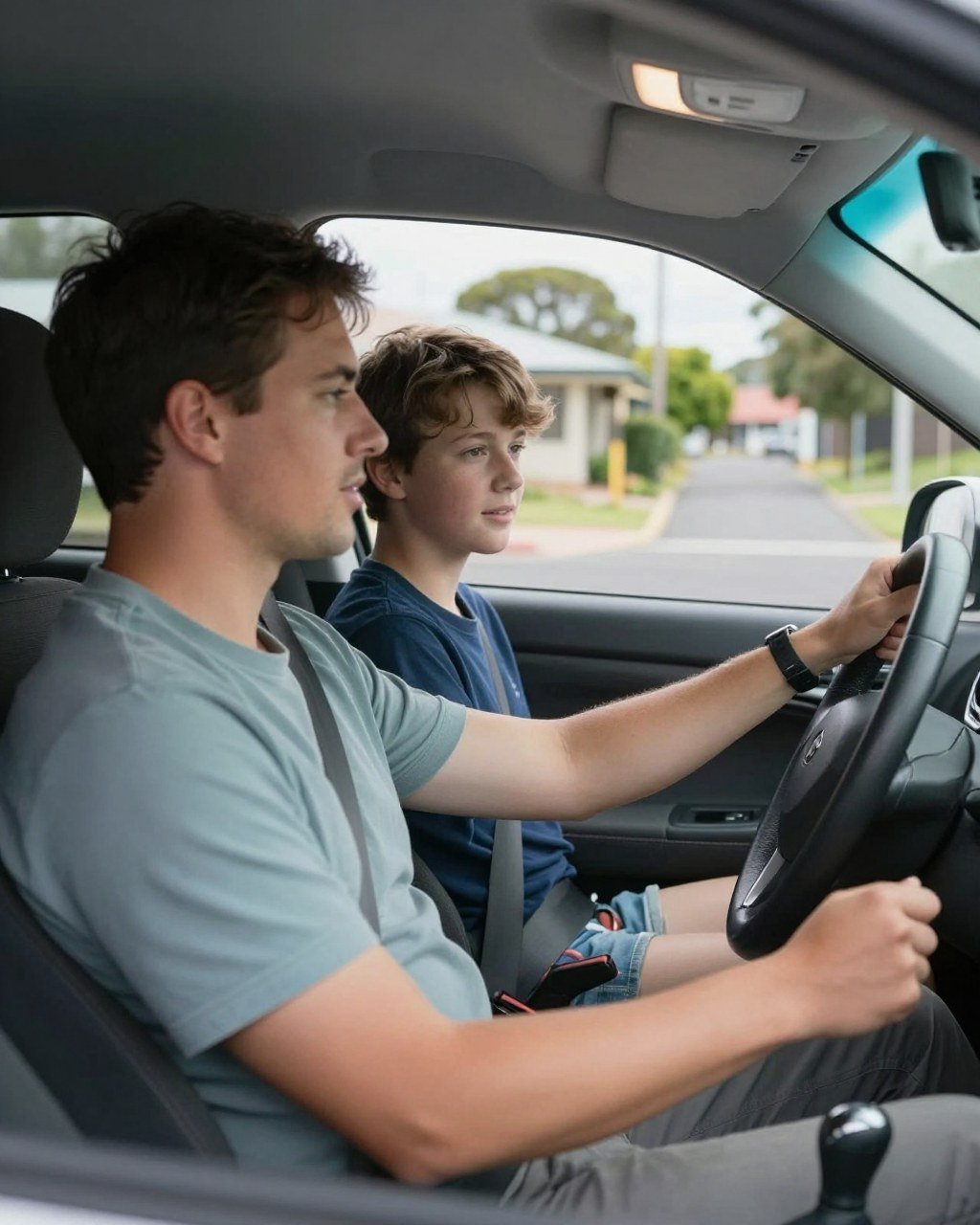
A 2021 micro-sociological study in Qualitative Sociology Review on learner and instructor interaction examined how learner drivers and instructors interact during lessons.
If anxiety has stalled your progress, or a previous instructor lost patience, our guide to driving lessons for nervous drivers explains how confidence is rebuilt step by step.
Safe Driving Habits and Hazard Awareness You Can't Learn From a Manual
A manual teaches rules. It cannot teach you to read a situation unfolding three cars ahead. Hazard awareness is a skill built through repetition with someone who names what they see and why it matters.
Defensive driving, scanning intersections and judging safe gaps are all learned behind the wheel. Digital instruction is increasingly positioned as a complement to practical road training rather than a replacement, according to Driver Training Trends That Matter in 2026.
For learners working toward the hazard perception component, our guide on how to pass the hazard perception test covers the specific skills examiners look for.
Test Readiness: Why Structured Lessons Improve Your Pass Rate
Structured lessons can help with test readiness by rehearsing test-style driving. An instructor familiar with the assessment criteria can help identify skills that may need work before you book.
Every failed attempt costs money and time. Retake fees, extra lessons and delayed independence all add up. A learner who books the test only when their instructor signs off on readiness avoids that cycle.
Precision School of Driving offers guidance to help learners prepare for the driving test. For a full walkthrough of the process, see our guide on how to pass your driving test.
Choosing an Instructor Who Fits How You Learn
The right instructor can make a real difference to a learner's progress. Look for patience, clear communication and a teaching style that adapts to you.
What most guides miss is that qualifications alone do not tell you whether an instructor can explain a three-point turn to someone who processes information differently. Ask questions before you book:
- How do you adapt lessons for anxious or neurodivergent learners?
- What does a typical first lesson look like?
- How do you give feedback during and after a lesson?
- Can you accommodate lessons after work or on weekends?
If you are ready to start looking, our step-by-step guide on how to find a patient driving instructor walks you through the questions that matter. Precision School of Driving offers flexible scheduling and personalised lessons.
The real question is not whether lessons cost money, but whether the alternative costs more. Uncorrected habits, failed attempts and shaken confidence all carry a price. Precision School of Driving builds calm, patient, personalised lessons around how you actually learn, with flexible scheduling and safety-focused instruction.
Frequently Asked Questions
Are driving lessons worth the money compared with practising with family?
Professional driving lessons give you structured feedback from a qualified instructor who spots bad habits early, while family practice builds hours behind the wheel. The two work best together: lessons teach the correct technique and road rules, and supervised practice with family reinforces them. Learners who blend both can build confidence and safe habits over time.
How many driving lessons do I need before my test?
There is no fixed number. It depends on your prior experience, how often you practise between lessons, and how confident you feel with vehicle control, hazard awareness and road positioning. A learner with regular supervised practice might need fewer professional lessons than someone starting from scratch. Your instructor should give you an honest readiness assessment rather than pushing extra bookings.
Can driving lessons help nervous drivers build confidence?
Yes. A patient instructor breaks each skill into small, manageable steps and gives feedback without pressure, which is exactly what anxious learners need. Lessons for nervous drivers can be paced to suit the learner. If a previous instructor made you feel rushed or frustrated, tell your new one up front so they can adapt their approach.
What should I look for when choosing a driving instructor?
Look for a qualified instructor with a calm manner, and ask about their experience with your specific needs, whether that is anxiety, neurodivergence or returning after a long break. Ask about lesson structure, feedback style and scheduling flexibility before you book. A short introductory lesson is a low-risk way to check the fit before committing to a block.