 How-to
Driving Instruction for Neurodivergent Learners
Table of Contents
- Why Standard Driving Instruction Fails Neurodivergent Learners
- How Driving Lessons for Autistic Learners Build Confidence
- Driving Lessons for ADHD Learners: Structure That Holds Attention
- Sensory Overload While Driving: What It Looks Like and What Helps
- Driving Lesson Adjustments That Make a Real Difference
- Choosing an Instructor and Funding Your Lessons
- Conclusion
- Frequently Asked Questions
Last Updated: October 12, 2026
Why Standard Driving Instruction Fails Neurodivergent Learners
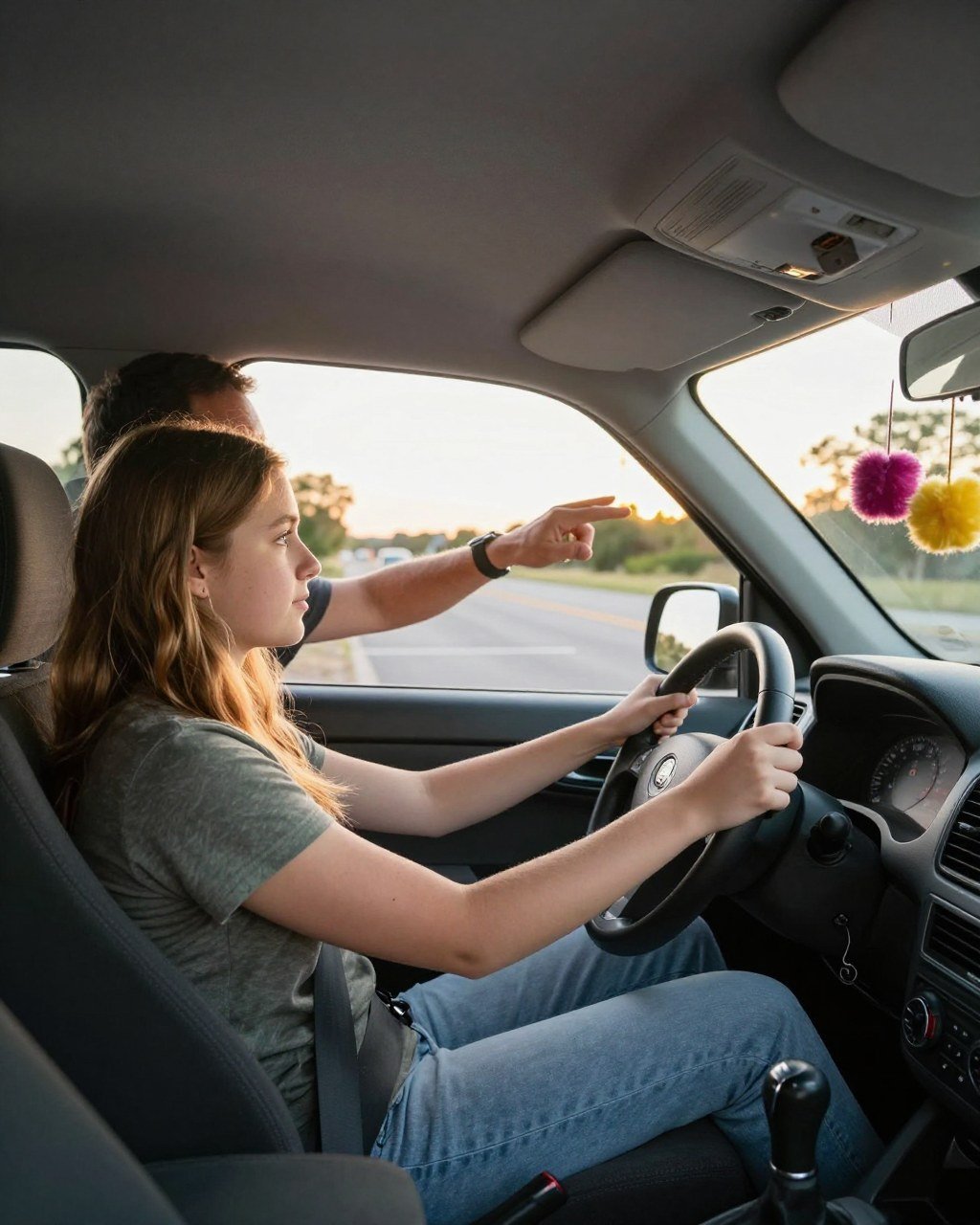
Driving instruction for neurodivergent learners works best when it is structured, predictable and adapted to how each person processes information.
Most driving schools teach to a fixed script. They cover the same route, use the same phrases and expect the same pace from every learner. That suits some people.
This guide from Precision School of Driving breaks down what actually helps.
The Australian Disability Discrimination Act 1992 sets out that education and training services must make reasonable adjustments for people with disability. Driving instruction sits squarely in that space.
- Common mistake: booking a block of lessons before telling the school about your needs
- What helps: a short conversation before the first lesson about how you learn best
- Why it matters: a tailored plan from lesson one saves time, money and stress
How Driving Lessons for Autistic Learners Build Confidence
Driving lessons for autistic learners should follow a fixed routine, use plain language and preview every step before it happens. Sameness is not boring here. It is the foundation that lets confidence grow.
Routine, Predictability and Clear Language
Start every lesson the same way. Same seat position. Same mirror check. Same spoken sequence. Over time, the routine becomes automatic, and the learner frees up attention for the road.
Language matters just as much. "Turn left at the next street" is vague. "In 100 metres, slow to 30, then turn left at the second driveway" gives a clear picture. Avoid idioms and sarcasm. Say what you mean.
Some learners prefer written notes or a simple diagram of the route before they drive it. Others like to watch a short video of the manoeuvre first. Ask which one helps.
Driving Lessons for ADHD Learners: Structure That Holds Attention
Driving lessons for ADHD learners need short, active tasks and frequent feedback. Long stretches of quiet motorway driving let attention drift. Busy suburban routes with clear goals keep the brain engaged.
ADHD affects executive function: the set of mental skills that manage planning, sequencing, working memory, self-monitoring and impulse control. Behind the wheel, that shows up in predictable ways. A learner may know the mirror-signal-blind-spot sequence perfectly when asked, then skip a step under load.
That is not a knowledge gap. It is a working-memory and inhibition gap. Teaching has to compensate for it rather than assume repetition alone will fix it.
Adapting to the Three Presentations
ADHD is not one profile. The adjustments that help an inattentive learner differ from those that help a hyperactive-impulsive one, and many learners are combined type.
| Presentation | What it looks like in the car | Useful adaptations |
|---|---|---|
| Predominantly inattentive | Misses instructions, loses place in a sequence, seems to drift on quiet roads | Written route card, verbal check-ins every few minutes, shorter lessons, busier practice routes early on |
| Predominantly hyperactive-impulsive | Rushes decisions, acts before checking, struggles to wait at junctions | Spoken routines said aloud, countdowns before moving, deliberate 'pause and scan' drills |
| Combined | Mix of the above, often shifting with fatigue | Flexible lesson blocks, planned breaks, one goal per session |
Managing Impulsivity at Intersections and Roundabouts
Impulsivity is the real risk at intersections. A learner may see a gap and go before checking properly. Teach a spoken routine: mirror, signal, blind spot, go. Saying it out loud slows the decision down and externalises the sequence, so working memory is not carrying it alone.
At roundabouts, the same routine applies. Approach, check, give way, exit. Repeat it until it is automatic. The goal is to move the sequence from conscious effort to habit, because habits survive when attention is stretched.
Working-Memory Strategies That Hold Up Under Load
- Use a written or laminated route card the learner can glance at between tasks
- Chunk instructions into one action at a time, not a chain
- Use countdowns before tricky manoeuvres ("three seconds, then we move")
- Praise the pause, not just the correct action, so waiting is reinforced
- Build in a short break every 15 to 20 minutes rather than pushing through
- End the lesson while the learner is still succeeding, not after a slump
Sensory Overload While Driving: What It Looks Like and What Helps
Sensory overload while driving is the point where noise, light and movement stop being manageable. Signs include gripping the wheel too hard, going quiet, missing instructions or asking to stop. It is not a behaviour problem.
Prevention beats reaction. Plan routes away from heavy traffic at first. Keep the cabin cool and the radio off. Sunglasses help on bright days.
If overload starts, pull over somewhere safe. Take a few minutes. Then decide together whether to continue or head back. Never push through it. A learner who feels forced will dread the next lesson.
- Reduce background noise in the car
- Choose quieter times of day for early lessons
- Build in a planned break halfway through
- Agree on a simple signal for "I need to stop"
Driving Lesson Adjustments That Make a Real Difference
Driving lesson adjustments are the small changes that let a learner succeed: written steps, extra processing time, a set route and a signal to pause. None of them cost anything. All of them change the outcome.

Here is a lesson plan you can ask any instructor to follow.
A Step-by-Step Lesson Plan You Can Ask For
Before the lesson
- Confirm the route in writing the day before
- Agree on a stop signal
- Set one goal for the session, no more
During the lesson
- Run the same pre-drive routine every time
- Give instructions at least 100 metres ahead
- Pause after each new skill to talk it through
- Take a break at the halfway mark
After the lesson
- Write down two things that went well
- Note one thing to practise next time
- Book the next lesson for the same time slot
| Learner need | Adjustment | Why it helps |
|---|---|---|
| Autism | Fixed route, written steps | Removes surprise |
| ADHD | Short tasks, spoken routines | Holds attention |
| Dyslexia | Verbal plus visual cues | Skips heavy reading |
| Anxiety | Stop signal, planned breaks | Builds control |
| Slow processing | Extra time to respond | Lowers pressure |
Choosing an Instructor and Funding Your Lessons
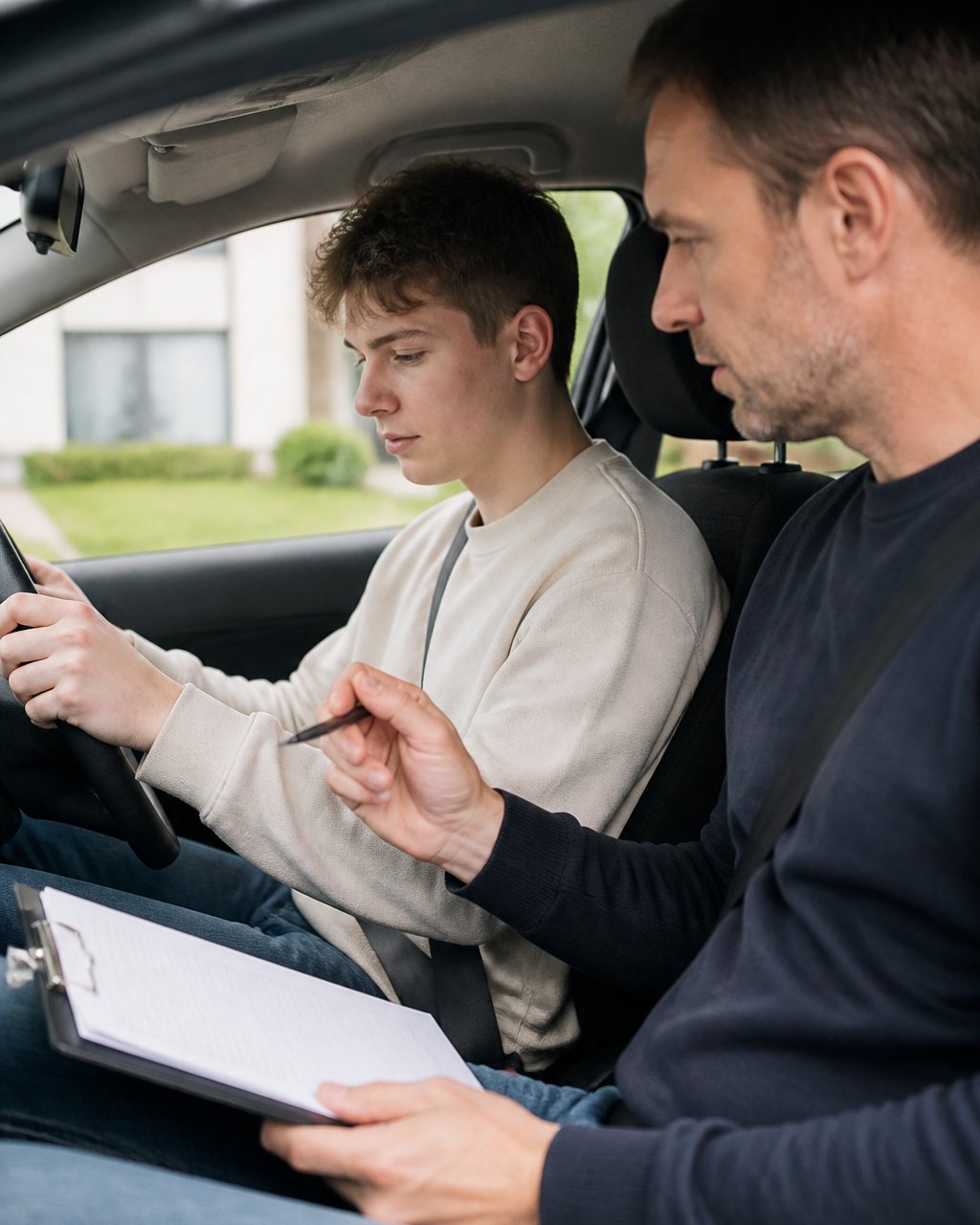
Choosing the right instructor matters more than choosing the nearest one. A patient instructor with no experience of neurodivergent learners will still struggle; an experienced one who communicates badly will do the same. Fit is specific, and it is worth assessing before you commit to a block of lessons.
An Instructor Assessment Checklist
Use these questions on the phone or in a first meeting. A good instructor will welcome them. A defensive or vague answer tells you plenty.
Experience and training
- Have you taught learners with autism, ADHD, dyslexia or anxiety before?
- What training or professional development have you done in this area?
- Can you describe a learner you adapted your approach for, and how?
Communication style
- How do you give instructions, and how far ahead?
- How do you handle a learner who goes quiet or overwhelmed?
- Will you put the lesson plan in writing if asked?
Lesson structure
- Can we agree a fixed pre-drive routine?
- Will you keep the same route for early lessons if that helps?
- How do you decide when to move to a new skill?
Fit and flexibility
- Are you comfortable with a support person in the back seat?
- What is your policy if a lesson needs to end early?
- Can we book the same time slot each week for predictability?
A short trial lesson is often the best assessment. Watch how the instructor responds when something goes wrong, not just when it goes well.
Assessment, Licensing and Medical Requirements
Before lessons begin, it is worth checking whether any medical or functional assessment is required for a licence. Requirements vary by state and territory, and some conditions, including certain neurological and psychiatric diagnoses, may trigger a medical review. The practical steps are:
- Speak to your treating doctor about whether your condition needs to be declared
- Check your state or territory licensing authority's medical fitness requirements
- Ask whether any driving assessment with an occupational therapist is recommended
- Confirm whether vehicle adaptations (hand controls, spinner knobs, extra mirrors) would help and how they are assessed
An occupational therapist with driver assessment training can be a useful bridge between medical advice and practical lessons, particularly where sensory, cognitive or physical needs overlap.
Funding and Support Options
Funding is worth checking early. Some learners may be able to access support through the NDIS, though eligibility rules are strict and driving lessons are not automatically covered. The NDIS pricing arrangements and price limits set out what can be claimed and how. Check your plan and speak to your support coordinator before assuming anything.
Other avenues worth exploring include state-based learner driver programs, some of which offer subsidised or free supervised hours, and school or community programs for students with disability. Availability varies, so it pays to ask your licensing authority and local council what exists in your area.
At Precision School of Driving, we build every lesson around the learner in front of us. We specialise in anxious and nervous drivers, offer flexible scheduling, and keep our vehicles safe and well maintained. Our instructors are patient, and we plan each session in advance.
Conclusion
Every learner deserves instruction that fits how they think, not a one-size-fits-all script. The strategies above, from written lesson plans to a simple stop signal, are the difference between a learner who dreads the car and one who drives with confidence.
Precision School of Driving builds calm, patient lessons around each learner. We specialise in anxious and nervous drivers, offer flexible scheduling and keep our vehicles safe and well maintained. Book Now and take the next step toward independence.
Frequently Asked Questions
Can autistic people learn to drive?
Yes. Many autistic people become safe, independent drivers with the right support. The key is matching instruction to how you process information. Some autistic learners do well with a fixed lesson routine, written route plans and clear, literal instructions. Others need more time on busy roads or help managing sensory input like traffic noise and bright lights. A patient instructor can adjust the pace and environment so you build skills without feeling overwhelmed.
How can driving lessons be adapted for neurodivergent learners?
Adaptations include shorter sessions, a predictable lesson structure, visual aids and written summaries after each drive. Instructors can break complex manoeuvres into smaller steps, use a quiet route early on and give instructions one at a time. For sensory overload while driving, some learners benefit from sunglasses, a quieter car or practising at off-peak times. The best approach is to discuss your specific needs with your instructor before the first lesson.
What should I tell my driving instructor about my learning needs?
Be direct about how you learn best. Tell them if you prefer written instructions, need extra processing time, get anxious in heavy traffic or find certain sounds and lights distracting. Mention any diagnosis such as autism, ADHD or dyslexia, and explain what has worked or failed in past lessons. This helps your instructor plan driving lesson adjustments from the start rather than discovering problems mid-drive.
How can a neurodivergent learner build confidence behind the wheel?
Confidence comes from repetition in low-pressure settings. Start on quiet roads and repeat the same routes until they feel automatic. Celebrate small wins, like a smooth hill start or a clean lane change. Keep a log of what went well each lesson. If a session goes badly, treat it as information rather than failure. Over time, structured practice in real-world situations builds the independence you need for solo driving.