 How-to
Customised Driving Lessons for Beginners: A 2026 Guide
Last Updated: October 23, 2026
Quick Summary
Customised driving lessons for beginners match instruction to your specific needs, learning style, and pace rather than following a rigid curriculum. Your instructor assesses your current skills and anxiety levels, then designs lessons that address what you actually need to work on, adjusting difficulty in real time to keep you in the zone where learning happens.
- Phase 1 focuses on vehicle control and local roads, typically taking 10-20 hours depending on your starting point.
- Phase 2 introduces traffic conditions and manoeuvres like parking and merging, usually spanning 15-25 hours.
- Phase 3 covers freeway driving and test preparation, typically requiring 10-15 hours.
- Good instructors specialise in supporting anxious or nervous drivers and adjust lessons when you reach your limit.
- Progress is tracked through informal assessment and readiness benchmarks like confident traffic handling and automatic vehicle control.
Table of Contents
- What to Expect in Your First Driving Lesson
- How Customised Driving Lessons Work for Beginners
- Building Confidence: Driving Lessons for Nervous Beginners
- Creating Your Driving Lesson Plan for Beginners
- How to Choose a Driving Instructor That Fits Your Needs
- Tracking Progress and Readiness Benchmarks
- Lesson Packages, Scheduling, and Getting Started
- Frequently Asked Questions
What to Expect in Your First Driving Lesson
Your first driving lesson sets the foundation for everything that follows. Most learner drivers feel nervous before that initial session, and that's completely normal. A good instructor structures the first lesson to build your confidence rather than overwhelm you.
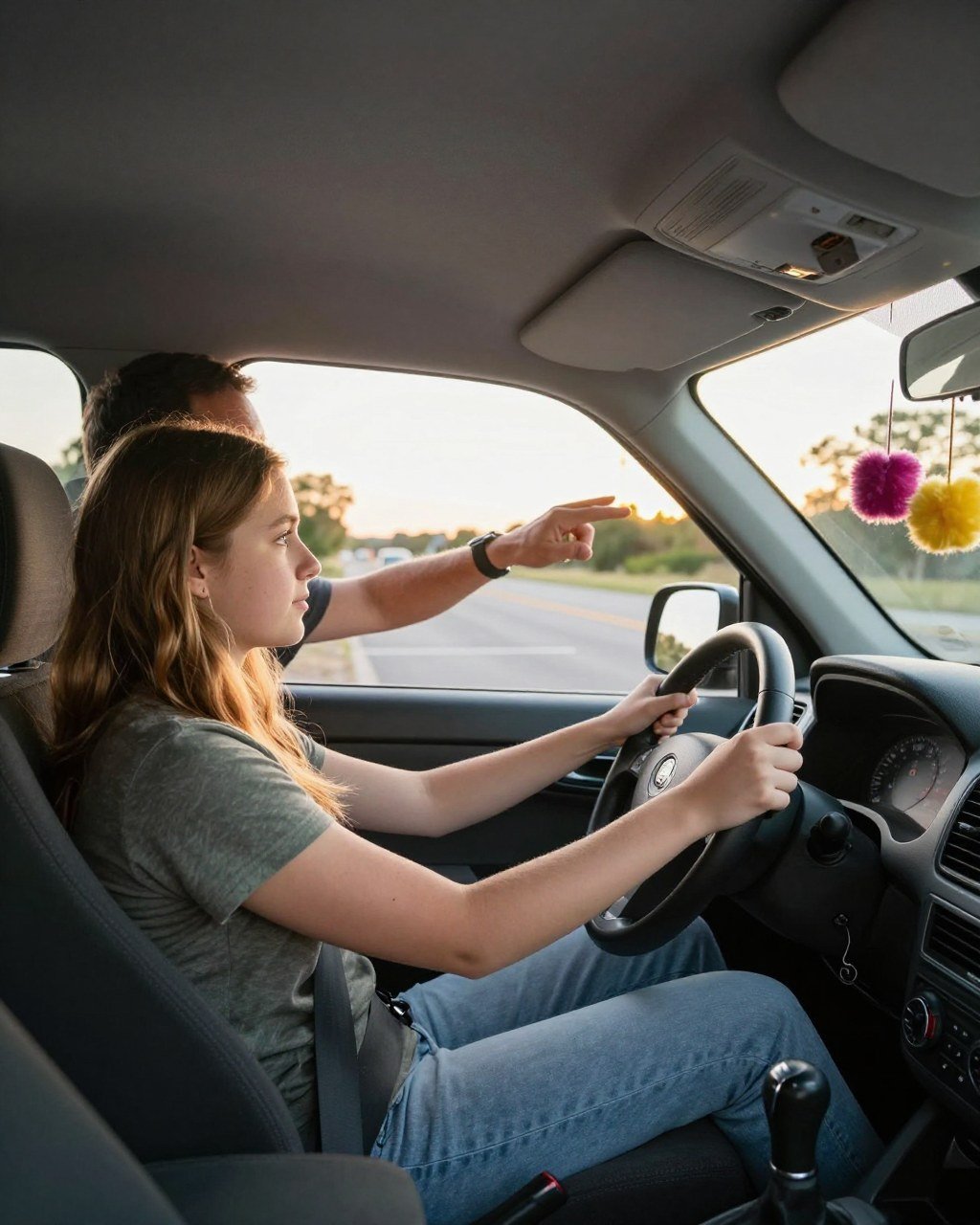
The first lesson typically focuses on familiarisation. You'll meet your instructor, discuss your goals and concerns, and get comfortable in the vehicle. Your instructor will explain the controls, show you how to adjust the seat and mirrors, and walk through basic safety procedures, mostly in quiet, low-traffic areas where you can practise without pressure.
What separates a supportive first lesson from a stressful one is the instructor's approach. At Precision School of Driving, we prioritise understanding each learner's starting point.
How Customised Driving Lessons Work for Beginners
Customised driving lessons for beginners aren't about one-size-fits-all instruction. They're built around your specific needs, learning style, and pace. This approach addresses a real problem: many learners feel rushed through lessons or pushed to progress faster than they're ready for.
Assessment and skill evaluation
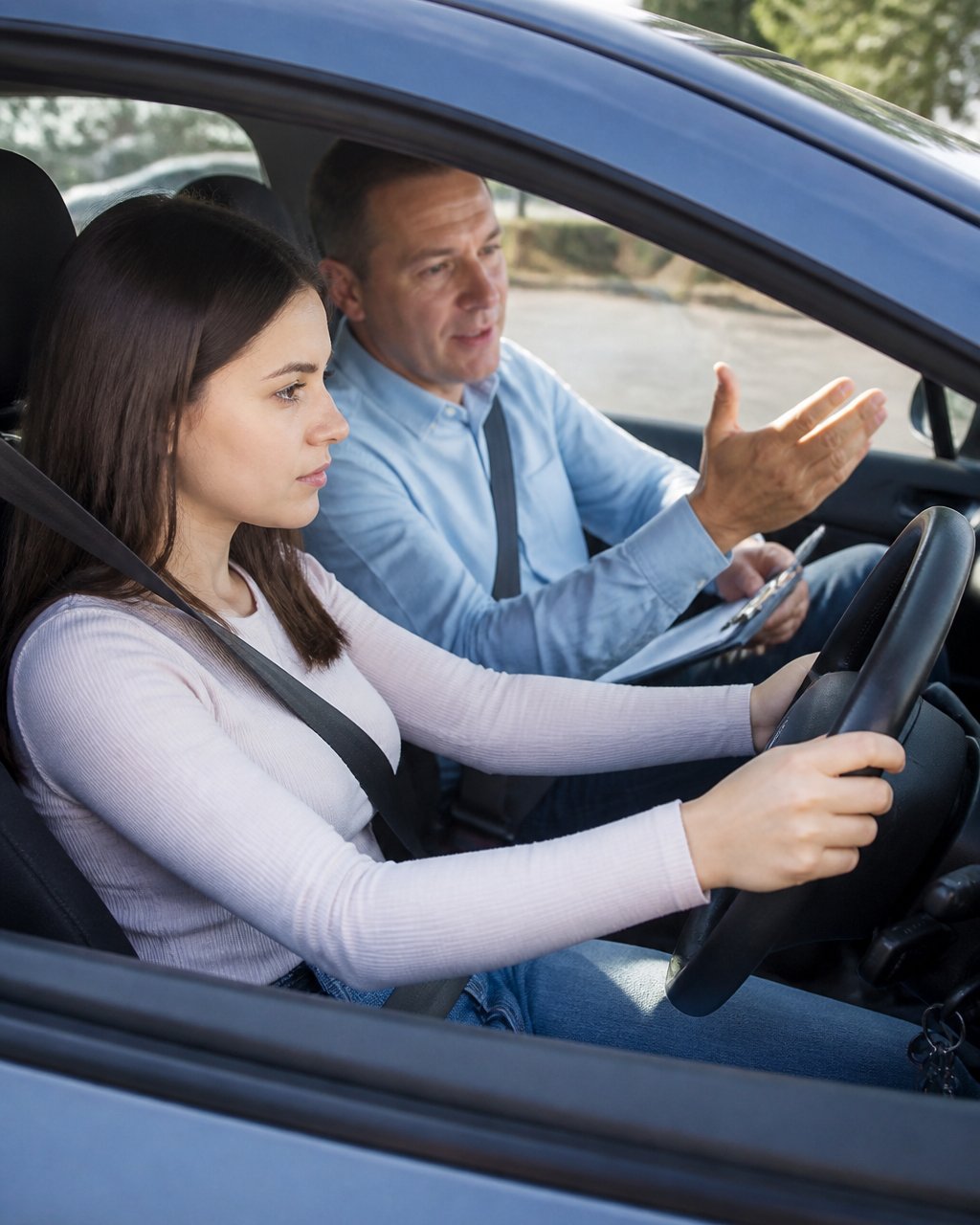
The first step in customisation is understanding where you actually are. Your instructor will assess your current skills, knowledge of road rules, and confidence level. This isn't a test you can pass or fail, it's a baseline that helps your instructor pitch lessons at the right level.
A thorough assessment covers vehicle control basics, road rules, and how you respond to different driving situations. Your instructor watches how you handle the steering wheel, pedals, and surroundings, and notes specific anxieties, like nervousness around heavy traffic or motorway driving.
This evaluation means your customised driving lessons for beginners actually address what you need to work on, not what a generic curriculum says you should. If you're already confident with vehicle control but struggle with reading traffic, your lessons focus there. If you're anxious about parking, that gets dedicated practice time.
Tailored lesson structure
Once your instructor understands your starting point, they design a lesson structure that works for you, whether that's longer sessions with frequent breaks or shorter, more frequent lessons to build momentum.
A typical customised lesson starts with a brief discussion of the day's focus. Your instructor explains the skill, guides you through it step by step, and you practise in real conditions with feedback and support throughout.
The key difference in customised driving lessons for beginners is that your instructor adjusts difficulty in real time. If you're struggling with a particular manoeuvre, you practise it more. If you're confident, you progress to the next challenge. This keeps you in the zone where learning happens, not so easy that you're bored, not so hard that you're overwhelmed.
Building Confidence: Driving Lessons for Nervous Beginners
Anxiety behind the wheel is real and more common than you might think. Many learner drivers worry about making mistakes, other drivers, or the responsibility of controlling a vehicle. The right instructor doesn't dismiss this anxiety; they work with it.
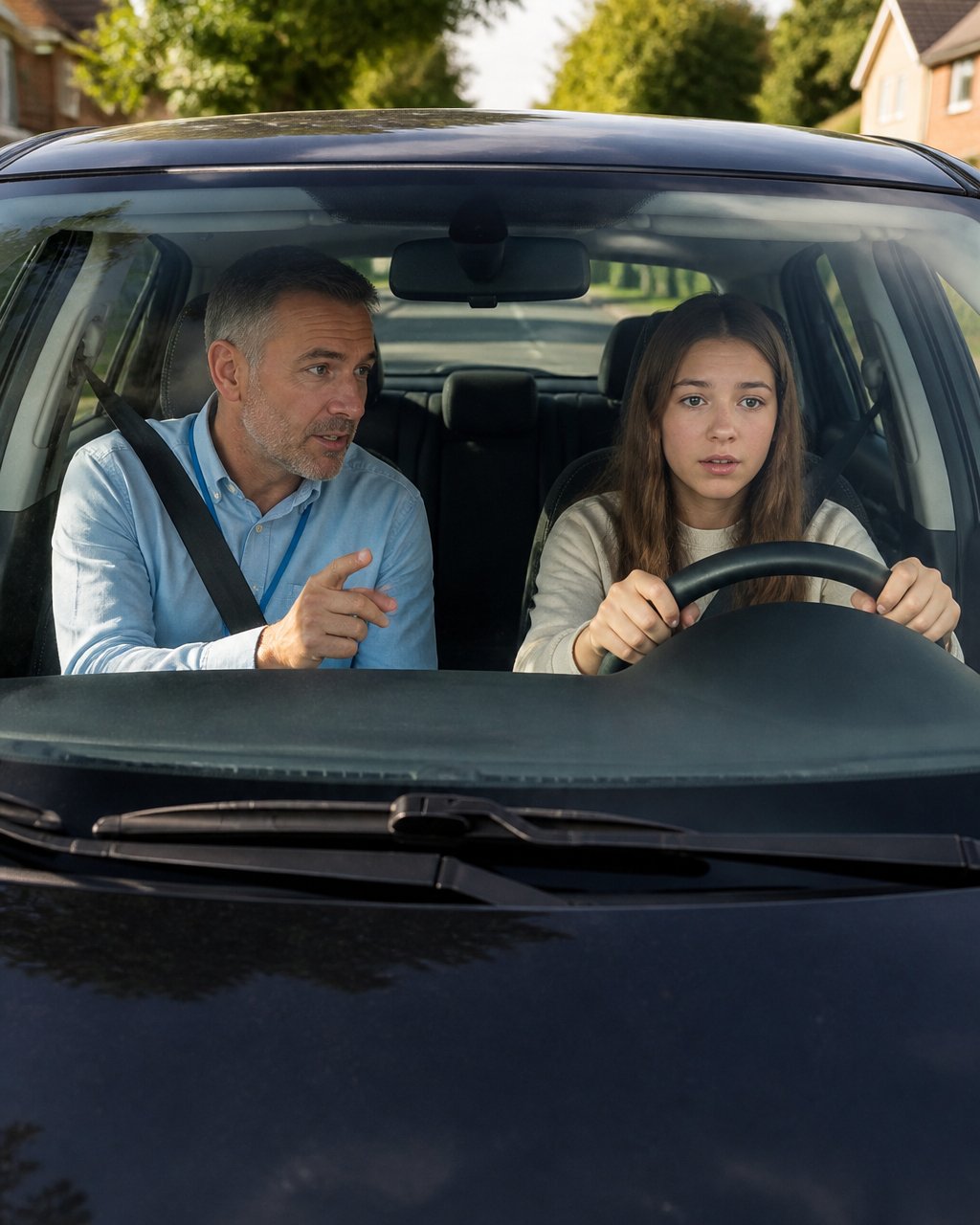
Driving lessons for nervous beginners require patience, clear communication, and the ability to recognise when you're reaching your limit.
Confidence grows when you experience success. Early lessons focus on quiet streets, low-traffic times, and straightforward tasks. As you prove you can handle these, your instructor gradually introduces busier areas, new manoeuvres, and roads you previously avoided.
A common mistake nervous learners make is avoiding situations that make them anxious. This actually reinforces the anxiety. With the right instructor, you face these situations in a controlled way.
Creating Your Driving Lesson Plan for Beginners
A structured lesson plan transforms vague goals into concrete progress. Rather than "I want to be a good driver," it breaks learning into specific, achievable phases. This is where customised driving lessons for beginners become particularly valuable, your plan reflects your actual needs, not a generic progression.
Phase 1: Vehicle control and local roads
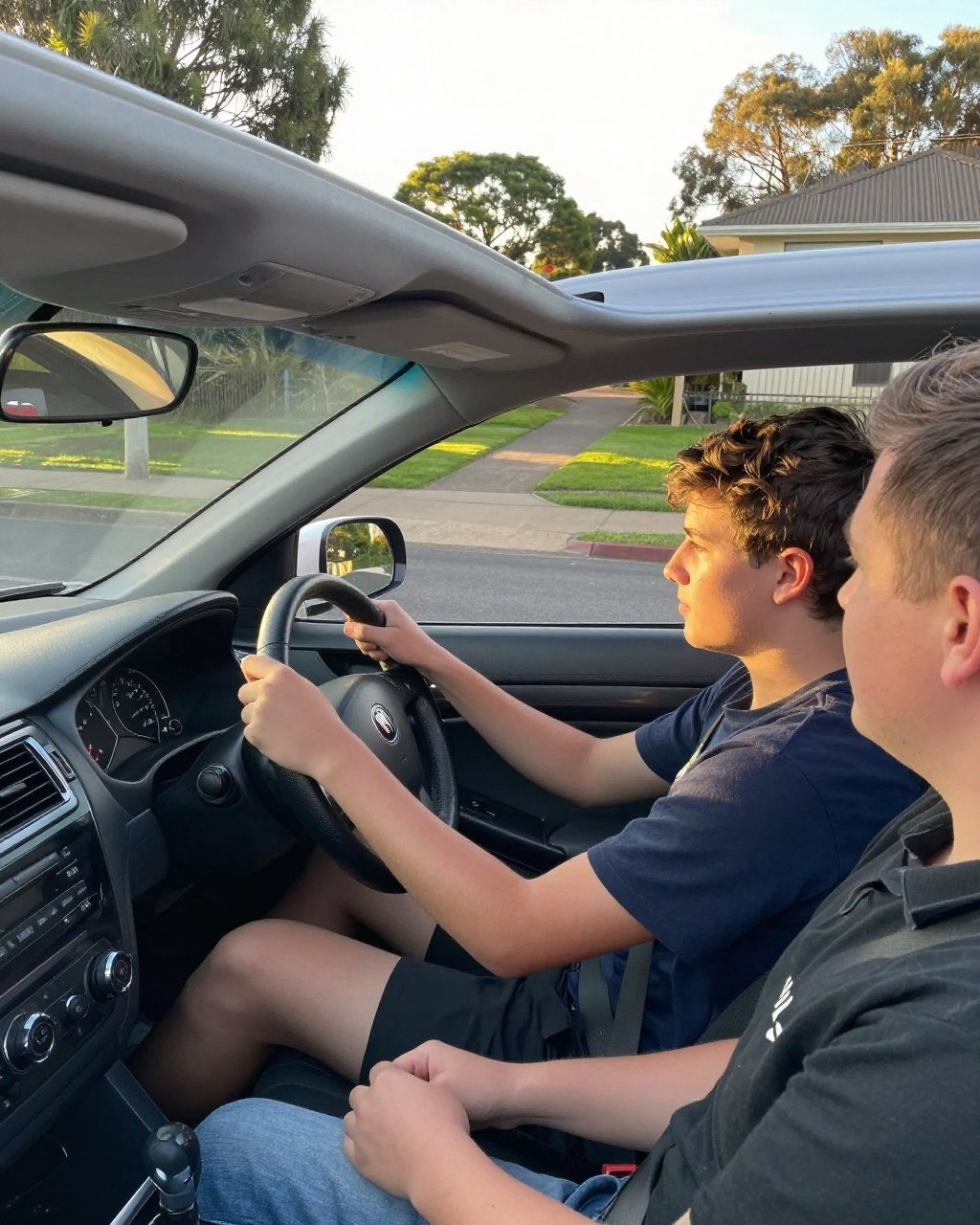
The foundation of safe driving is control. Phase 1 focuses on mastering the mechanics of the vehicle and building confidence in familiar environments. You'll practise steering, braking, accelerating, and gear changes until these actions become smooth and automatic.
Local roads are the right environment for this phase, with no motorway speeds or complex intersections yet. You're building muscle memory and understanding how the vehicle responds to your inputs, gradually moving from residential streets to local shopping areas and minor roads.
This phase typically takes 10-20 hours depending on your starting point and how quickly you progress. The focus is on smooth vehicle control and basic road awareness. By the end of this phase, you should feel comfortable handling the vehicle in quiet to moderately busy conditions.
Phase 2: Traffic conditions and road rules
Once vehicle control is solid, Phase 2 introduces real traffic. You'll practise in busier areas, learn to read traffic flow, and master manoeuvres like lane changes, merging, and intersections, applying road rules in real situations rather than just memorising them.
This phase includes dedicated practice on parking, reversing, and three-point turns. Your instructor allocates practice time to the manoeuvres you find most challenging, so parallel parking anxiety gets more attention while confident reversing moves faster.
Phase 2 usually spans 15-25 hours. You're building the skills needed to pass your driving test and handle everyday driving situations. By the end of this phase, you should feel ready to handle most common driving scenarios.
Phase 3: Freeway driving and test preparation
The final phase prepares you for motorway driving and formal testing. Freeway driving introduces speed, longer distances, and different hazards, so your instructor teaches safe merging, appropriate speed and distance, and fatigue management on longer drives.
Test preparation involves practising in the areas where your test will be conducted and reviewing the skills examiners assess. Your instructor knows the test routes and common mistakes that cost marks, so you practise them repeatedly to build automatic responses.
This phase typically takes 10-15 hours, though nervous learners might benefit from extra sessions. The goal is to reach test readiness, not just mechanically capable, but confident and automatic in your responses.
| Phase | Focus Area | Typical Hours | Key Skills |
|---|---|---|---|
| Phase 1 | Vehicle control, local roads | 10-20 | Steering, braking, gear changes, basic awareness |
| Phase 2 | Traffic, manoeuvres, road rules | 15-25 | Parking, merging, intersections, complex traffic |
| Phase 3 | Freeway driving, test prep | 10-15 | Motorway skills, test routes, automatic responses |
How to Choose a Driving Instructor That Fits Your Needs
Not all driving instructors are the same. The difference between a mediocre instructor and a great one shapes your entire learning experience, so consider experience, teaching style, and whether they specialise in your specific needs.
Look for instructors with genuine experience teaching learners like you. If you're anxious, find someone who specialises in nervous drivers. If you're neurodivergent, seek an instructor experienced with neurodivergent learners.
Pay attention to communication style. A good instructor explains things clearly, answers questions without impatience, and gives specific, constructive feedback.
Consider practical factors like scheduling flexibility, vehicle type (manual or automatic), and instructor gender if that matters to you. Some learners feel more comfortable with a female instructor; others prefer male.
At Precision School of Driving, we understand that the right fit matters. Our instructors specialise in supporting anxious and nervous drivers, and we offer flexible scheduling to work around your commitments.
Tracking Progress and Readiness Benchmarks
Progress isn't just about hours driven. Real progress means developing specific competencies and growing confidence, and tracking it shows how far you've come and what still needs work.
Good instructors use informal assessment throughout lessons, noticing smoother gear changes, better mirror awareness, and improved traffic anticipation, while identifying areas that need more practice. This ongoing feedback guides your learning in real time.
Readiness benchmarks help you know when you're approaching test readiness: confident handling of most traffic situations without prompting, smooth and automatic vehicle control, good decisions under pressure, and consistent application of road rules.
A good sign you're approaching readiness is when your instructor starts asking you to plan your own routes and make decisions about where to drive.
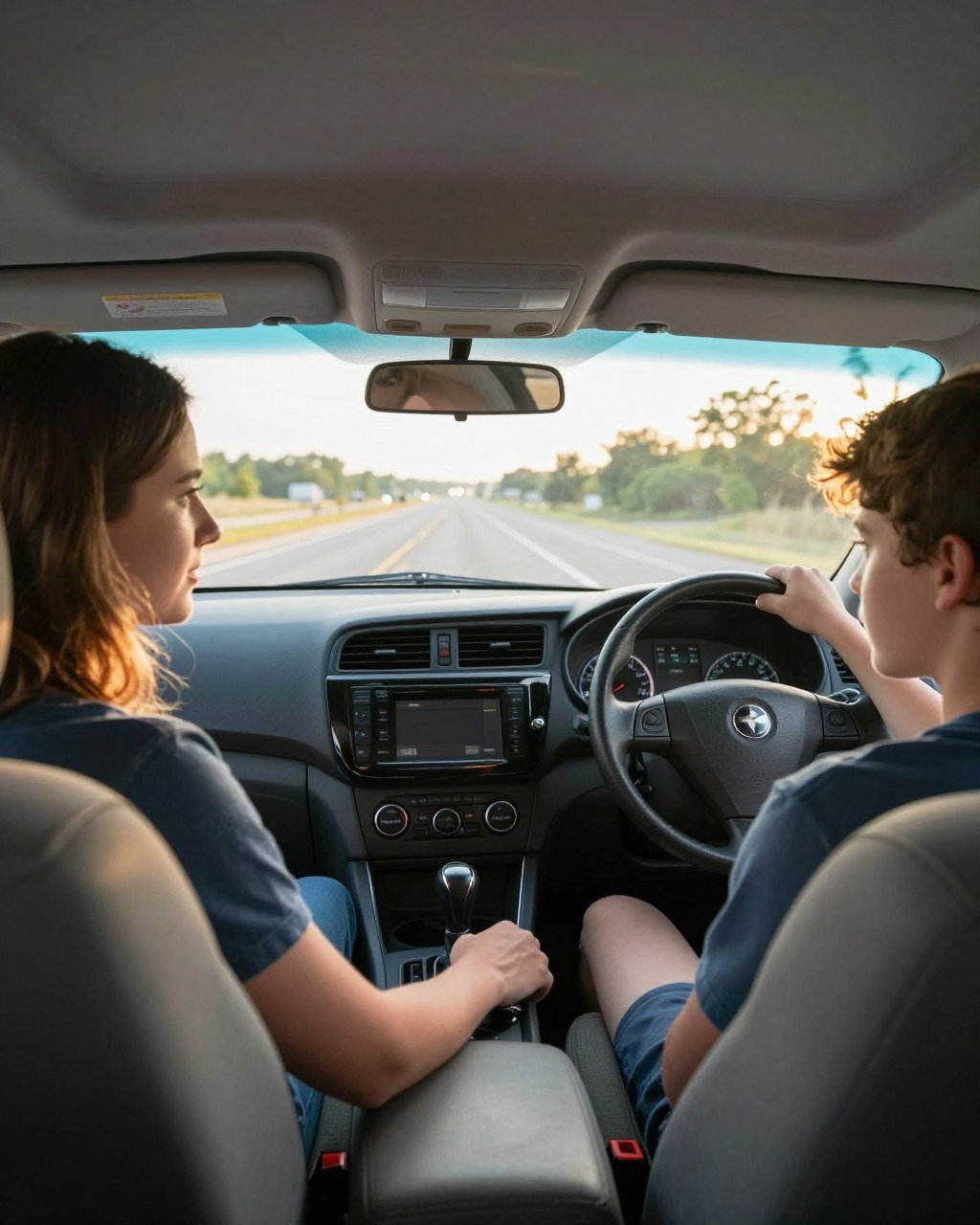
Research from the Qualitative Sociology Review examining driving lessons as learning situations found that the interaction between learner, instructor, and vehicle creates a dynamic environment where personalised feedback shapes development.
Lesson Packages, Scheduling, and Getting Started
Starting your driving education involves practical decisions about packages, timing, and booking. Most learners benefit from regular weekly lessons plus occasional extra sessions when preparing for tests.
Lesson packages typically offer flexibility.
Scheduling flexibility matters, especially if you work or study. Look for instructors who offer early morning, evening, and weekend lessons. At Precision School of Driving, we understand that learners have busy lives.
Getting started is straightforward. Contact your chosen school, discuss your needs and goals, and book your first lesson with a valid learner's permit and realistic expectations.
For current pricing and to book your customised driving lessons for beginners, contact Precision School of Driving directly to discuss your specific needs and get a tailored package recommendation.
Customised driving lessons for beginners transform the learning experience by matching instruction to your actual needs rather than forcing you through a rigid curriculum.
Frequently Asked Questions
What should I tell my driving instructor before my first driving lesson?
Tell your instructor about your experience level, any anxiety or nervous feelings, specific areas you want to focus on, and any learning preferences you have. If you're neurodivergent or have a disability, share that upfront so your instructor can adapt their teaching style. Be honest about what worries you most, whether that's parking manoeuvres, freeway driving, or heavy traffic. This information helps your instructor create a personalised lesson plan tailored to your individual needs and confidence level.
How many driving lessons does a beginner usually need before they're ready for their test?
Most beginner drivers benefit from 20 to 40+ hours of professional instruction, depending on their prior driving experience, confidence, and how quickly they develop road skills. Your progress matters more than a fixed number. A good driving instructor will track your readiness benchmarks, vehicle control, understanding road rules, managing different traffic conditions, and help you identify when you're genuinely prepared for your driving test rather than rushing you through lessons.
Can driving lessons be customised to my confidence and experience level?
Yes. Customised driving lessons start with an assessment of your current skill level, then build a personalised lesson plan addressing your specific needs. Whether you're a nervous beginner, returning to driving after years away, or neurodivergent and needing structured, adaptable instruction, your lessons can be tailored to your pace and learning style. Your instructor adjusts practice exercises, route difficulty, and teaching methods based on your progress and feedback throughout the programme.
How do I know if a driving instructor is right for me?
Look for instructors with verified qualifications and experience working with beginner drivers. Read learner feedback and testimonials to see how they handle nervous or anxious drivers. Ask about their approach to personalised instruction and whether they have experience with your specific situation, whether that's supporting anxious drivers, working with neurodivergent learners, or helping adult returnees. A good fit means you feel heard, safe, and supported, not rushed or frustrated during lessons.