 How-to
Driving Lessons for 2026 Learners: A Complete Guide
Table of Contents
- What You Need to Know About Driving Lessons for 2026 Learners
- How Many Driving Lessons Do I Need
- How to Prepare for a Driving Test in Hilly Terrain
- Building Confidence as a Nervous or Anxious Learner
- Choosing Between Professional Instruction and Supervised Practice
- Your Driving Practice Checklist Between Lessons
- What to Expect in Your First Driving Lesson
- Tailored Instruction for Neurodivergent and Adult Learners
- Frequently Asked Questions
Last Updated: October 16, 2026
What You Need to Know About Driving Lessons for 2026 Learners
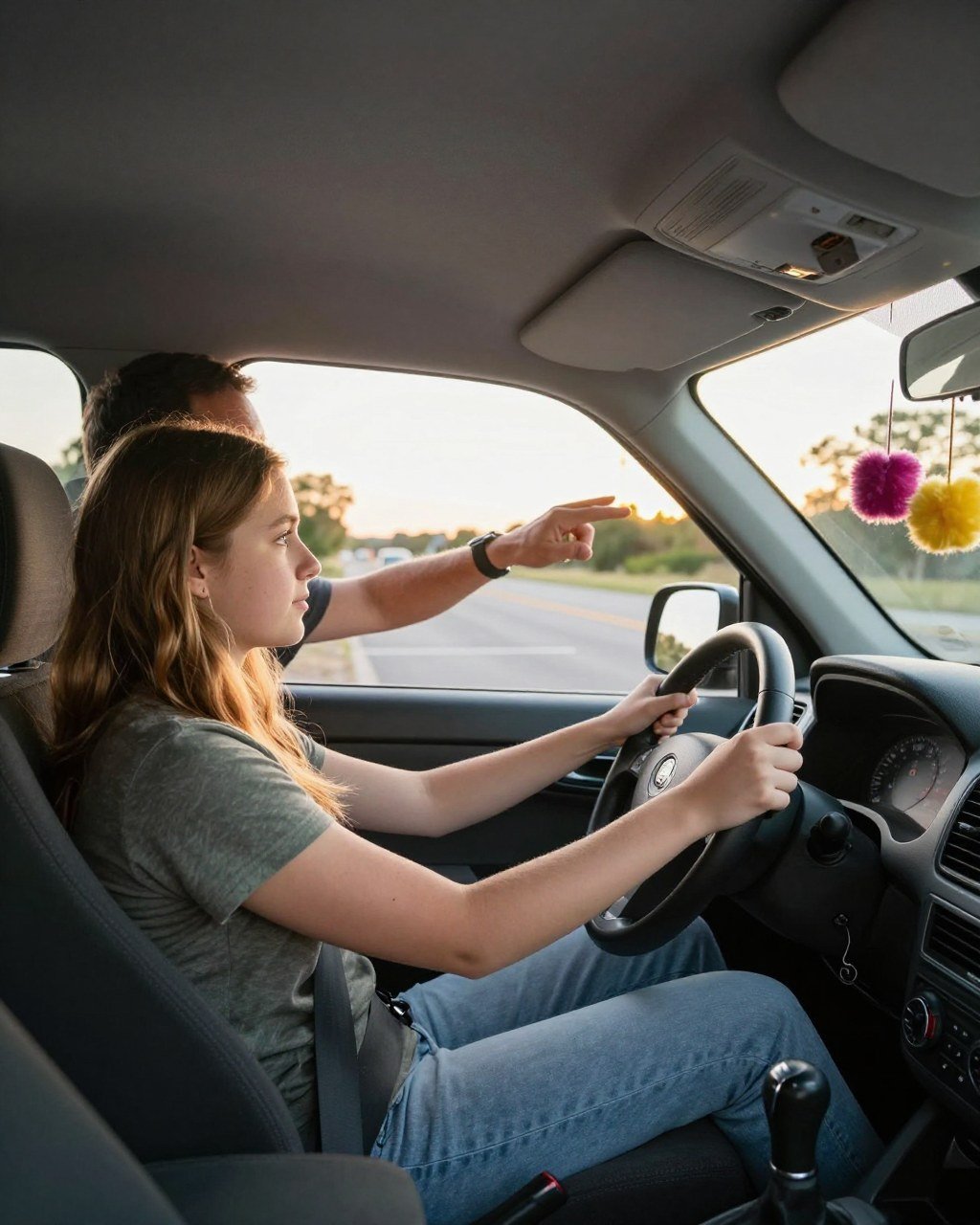
Learning to drive in 2026 means meeting updated licensing requirements and building genuine confidence behind the wheel. Driving lessons for 2026 learners have evolved beyond simple test preparation, they now emphasise real-world safety skills, anxiety management, and the flexibility to learn at your own pace.
Whether you're a teenager getting your first licence or an adult returning to driving after years away, understanding what modern driving instruction involves helps you make the right choice. At Precision School of Driving, we understand that the most successful drivers aren't always those with the most hours logged, they're the ones who learned with instructors who understood their individual needs.
This guide covers everything you need to know about driving lessons for 2026 learners: how many lessons you'll actually need, what happens in your first session, how to build confidence if you're anxious, and how to prepare for the specific challenges you'll face on test day. We'll also help you decide whether professional instruction or supervised practice is right for your situation.
How Many Driving Lessons Do I Need
The number of driving lessons you need depends on your starting point, learning speed, and the complexity of your local driving environment. There's no universal answer, but there are realistic benchmarks.
Most learners benefit from a combination of professional lessons and supervised practice between lessons. A common pattern is one professional lesson per week paired with 3-4 practice sessions with a supervisor. This rhythm gives you professional guidance, time to consolidate skills, and enough repetition to build automaticity.
Some learners progress quickly and feel ready for their test after 15-20 professional lessons. Others need 30-40 lessons, particularly if they're managing anxiety or learning in challenging terrain. The key variable isn't the total number of hours, it's the quality of instruction and how consistently you practise between lessons.
If you've already done extensive lessons but still don't feel ready, the issue often isn't more hours. It's usually that your practice has been too broad or your confidence-building hasn't been addressed. Precision School of Driving specialises in helping learners who've hit this plateau, because we focus on identifying exactly what's holding you back rather than just adding more seat time.
How to Prepare for a Driving Test in Hilly Terrain
Hilly terrain presents specific challenges that flat-ground drivers don't face. Hill starts, managing momentum on descents, and judging sight lines on crests require deliberate practice and technique.
Your test assessor will evaluate how smoothly you handle these situations. They're not looking for perfection, they're looking for control, awareness, and the ability to manage the vehicle safely when gravity is working against you.
Hill Start Driving Tips
A hill start requires three things: holding the vehicle steady without rolling backward, moving off smoothly without stalling, and doing it all while managing traffic behind you.
The most common mistake is releasing the handbrake before you have enough throttle. This causes the car to roll backward, which immediately fails the test. Instead, build throttle gently while holding the brake, then release the handbrake only when you feel the engine has enough power to move forward.
In an automatic, the process is simpler: hold the brake, release the handbrake, then smoothly apply throttle as you release the brake. In a manual, you need to coordinate the clutch bite point, throttle, and handbrake release, this is where most learners struggle.
Practice hill starts on progressively steeper hills. Start on a gentle slope where the margin for error is larger. Once you can do five consecutive smooth starts without rolling backward or stalling, move to a steeper hill. This incremental approach builds genuine confidence rather than luck.
When you're on the test, the assessor expects you to position your vehicle safely, check your mirrors, and execute the start without drama. If you stall, it's not an automatic failure, but stalling combined with rolling backward or poor mirror checks becomes a serious issue.
Building Confidence as a Nervous or Anxious Learner
Anxiety behind the wheel is common and treatable. Many learners experience it, and it doesn't mean you're not capable of becoming a safe driver.
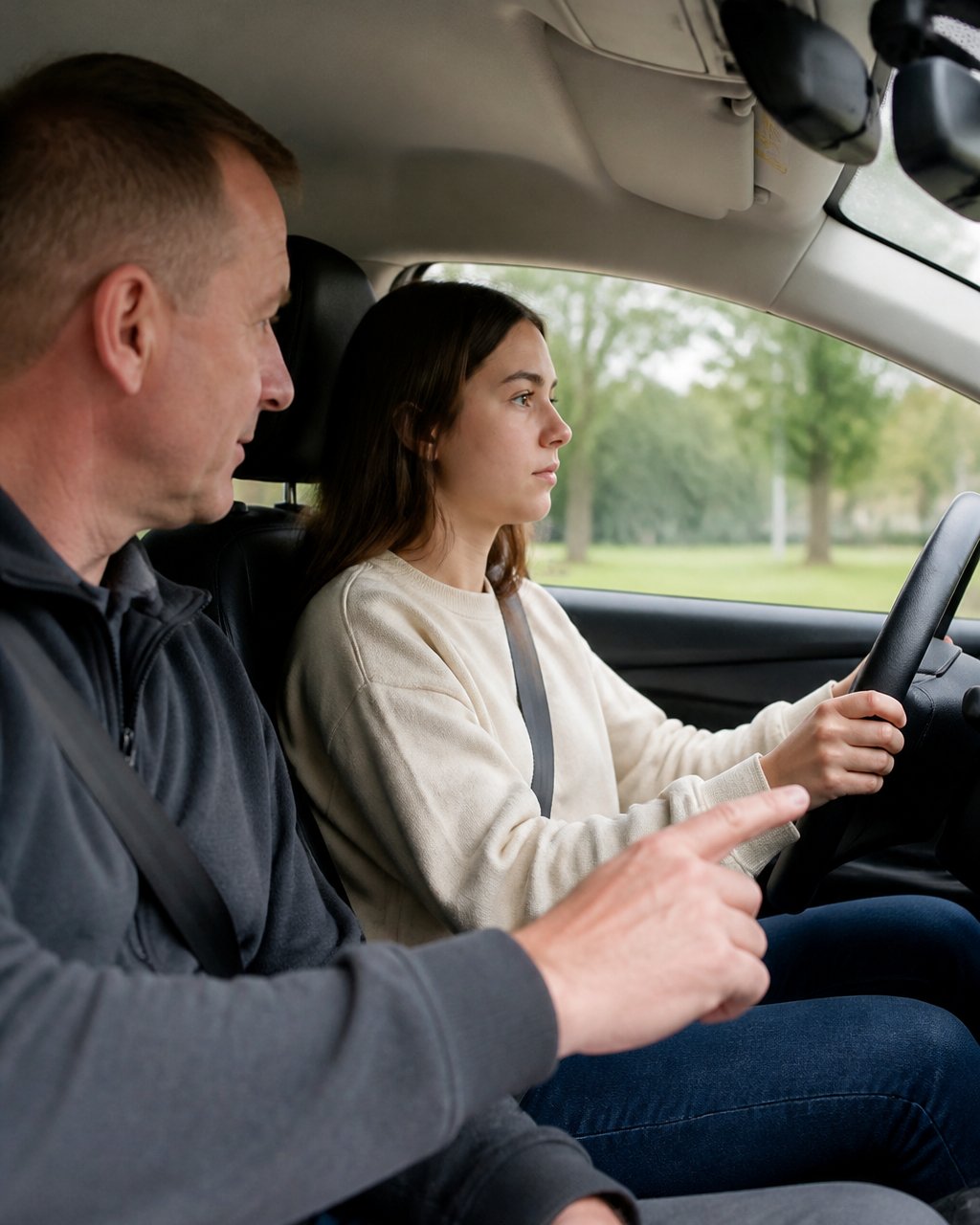
The difference between a nervous learner who progresses and one who stalls is usually the instructor's approach. An instructor who pushes you beyond your comfort zone quickly erodes confidence.
Start with quiet streets where you can focus on basic vehicle control without traffic stress. Spend multiple lessons here, this isn't wasted time, it's foundation-building. Once you're comfortable with steering, braking, and smooth acceleration, introduce slightly busier roads. Progress to roundabouts, then busier intersections, then faster roads.
Many anxious learners benefit from knowing what's coming.
If your previous instructor made you feel rushed or judged, that's worth addressing openly with a new one. At Precision School of Driving, we recognise that patience isn't weakness, it's professionalism.
Choosing Between Professional Instruction and Supervised Practice
Professional lessons and supervised practice serve different purposes. Both are necessary, but they're not interchangeable.
A professional instructor diagnoses problems, corrects technique, and introduces new skills in a structured way. They're trained to spot the difference between nervousness and unsafe habits, and they know how to fix both.
If you're choosing between spending money on lessons or practice, prioritise lessons early. Your first 5-10 lessons should be with a professional because they establish correct technique from the start. Practising bad habits repeatedly makes them harder to unlearn.
Once you have basic skills, the ratio can shift. You might do one professional lesson every two weeks paired with two or three supervised practice sessions. This keeps your technique sharp while building the repetition that develops automaticity.
Supervised practice fails when the supervisor isn't equipped to teach. A parent who learned to drive 30 years ago might not know current road rules, and they may reinforce outdated techniques. Professional instructors stay current with licensing requirements and modern safety standards.
The ideal combination is regular professional lessons (weekly or fortnightly) plus frequent supervised practice (2-4 times per week). This gives you expert guidance plus the repetition your brain needs to internalize skills.
Your Driving Practice Checklist Between Lessons
Practice between lessons determines how quickly you progress. Unstructured practice where you just "drive around" is less effective than focused practice on specific skills.
Before each practice session, agree with your supervisor on what you're working on. Are you practising lane changes? Three-point turns? Parking? Driving in busier traffic? A clear focus means you'll develop that skill rather than just accumulating hours.
| Practice Focus | What to Work On | How Many Times | Success Signal |
|---|---|---|---|
| Vehicle control | Smooth acceleration, braking, steering | Every session | No jerky movements |
| Turning | Left and right turns at various speeds | 2-3 sessions per week | Smooth, controlled entry and exit |
| Parking | Parallel parking, angle parking | 1-2 sessions per week | Straight, centred, minimal adjustments |
| Roundabouts | Single and multi-lane roundabouts | 1-2 sessions per week | Smooth entry, correct lane, safe exit |
| Busy roads | Peak-hour traffic, complex intersections | 1 session per week | Calm decision-making, safe spacing |
| Hill starts | Steep and gentle slopes | 1 session per week | No stalling or rolling backward |
After each practice session, note what went well and what needs work. This feedback loop helps your next professional lesson focus on real gaps rather than general skills.
What to Expect in Your First Driving Lesson
Your first lesson sets the tone for your entire learning journey. Knowing what to expect reduces anxiety and helps you focus on learning rather than worrying about the unknown.
Your instructor will start with a conversation, not immediately putting you behind the wheel. They'll ask about your driving experience, your goals, and any concerns. They'll explain how they work and what they expect from you.
Once you're in the vehicle, expect to spend the first 15-20 minutes in a quiet car park or very quiet street. You'll adjust the seat, mirrors, and steering wheel.
Then you'll practise basic vehicle control: starting the engine, moving forward slowly, stopping smoothly. Your instructor will talk you through each step. They're not expecting perfection, they're establishing a baseline and seeing how you respond to instruction.
In a first lesson, you might cover starting, stopping, and steering in a quiet area. You probably won't drive on a busy road. This is intentional. Building confidence happens gradually, not by throwing you into the deep end.
Your instructor will give you feedback on what went well and what to focus on before your next lesson. They might suggest specific practice between lessons. Listen to this, it's the difference between lessons that build skills and lessons that just add hours.
Tailored Instruction for Neurodivergent and Adult Learners
Neurodivergent learners, including those with autism, ADHD, dyslexia, and other neurological differences, often need instruction tailored to how their brains process information (ncbi.nlm.nih.gov). Standard driving instruction doesn't always work for them.
A neurodivergent learner might need instructions broken into smaller steps, more time to process information, or different explanations for the same concept. They might struggle with sensory input (noise, movement, visual complexity) but excel at systematic thinking.
Adult learners returning to driving after a long break face different challenges than teenagers learning for the first time. They often have more anxiety because they're aware of risks.
Both groups benefit from instructors who recognise their learning style and adjust accordingly. Precision School of Driving works with neurodivergent learners and adult returners because we understand that one-size-fits-all instruction creates frustration and slow progress.
Ask potential instructors directly: Do you have experience with neurodivergent learners? How do you adapt your teaching? Have you worked with adult returners? Their answers will tell you whether they're equipped to support your specific needs.
Learning to drive is a significant step toward independence. The right combination of professional instruction, structured practice, and patient support makes the difference between a stressful process and one that builds genuine confidence.
Frequently Asked Questions
What should I expect in my first driving lesson?
Your first driving lesson typically begins with an introduction to the vehicle, controls, and mirrors. Your instructor will explain how to adjust the seat and steering wheel, then walk you through the basics of starting, steering, and stopping in a quiet area before progressing to busier roads. Expect a calm, supportive environment where questions are encouraged. Most first lessons last one to two hours and focus on building familiarity rather than speed or complexity. A good instructor will tailor the pace to your comfort level and experience.
How many driving lessons do I need before I'm ready to drive alone?
Most learners need between 40 and 120 hours of professional instruction combined with supervised practice, though this varies widely based on age, experience, and individual learning pace. Younger learners often benefit from more structured lessons, while adults returning to driving after a break may progress differently. The key is consistent, quality practice rather than a fixed number. Your instructor can assess your readiness for independent driving based on your mastery of core skills like lane discipline, hazard awareness, and smooth vehicle control in various traffic conditions.
How can I prepare for a driving test in hilly terrain?
Hill starts are a critical skill in hilly areas. Practice moving off smoothly on inclines by coordinating the clutch (manual) or throttle (automatic) with gentle steering. Learn to recognise safe stopping positions on hills and practise reversing uphill and downhill with precision. During lessons, ask your instructor to focus on hill-specific hazards: steep gradients, limited visibility around bends, and loose gravel. Build confidence by practising these manoeuvres repeatedly in quieter areas before attempting them in test conditions. Understanding how your vehicle handles on slopes is essential for safe, independent driving.
Are professional driving lessons worth the investment for learner drivers?
Professional lessons offer structured, safety-focused instruction that supervised practice alone often cannot provide. An accredited instructor teaches hazard awareness, defensive driving techniques, and test-specific skills in a controlled, patient environment. For nervous or anxious learners, professional instruction builds confidence through expert guidance rather than stress. While cost is a consideration, the value lies in faster skill development, fewer bad habits, reduced test anxiety, and ultimately safer driving. Many learners combine professional lessons with supervised practice for optimal results, balancing cost and learning outcomes.